


What is an ultra low temperature freezer
An ultra low temp freezer keeps your samples safe by reaching temperatures as low as -86°C. You use this equipment to store sensitive materials in labs, hospitals, and research facilities. These freezers play a key role in biomedical research, biobanking, and clinical trials. You benefit from models that offer energy efficiency and customization, helping you protect valuable samples while managing costs and space.
Key Takeaways
Ultra low temperature freezers store sensitive materials at temperatures as low as -86°C, crucial for preserving biological samples and medications.
These freezers use advanced cooling technology and insulation to maintain stable temperatures, preventing sample degradation and contamination.
Regular maintenance, including defrosting and monitoring temperature, is essential to ensure the freezer operates efficiently and protects valuable samples.
Choosing an energy-efficient model can significantly reduce electricity costs and environmental impact while ensuring reliable sample storage.
Customization options allow you to select the size and layout of the freezer, making it easier to organize samples and fit your lab's specific needs.
Ultra Low Temp Freezer Basics
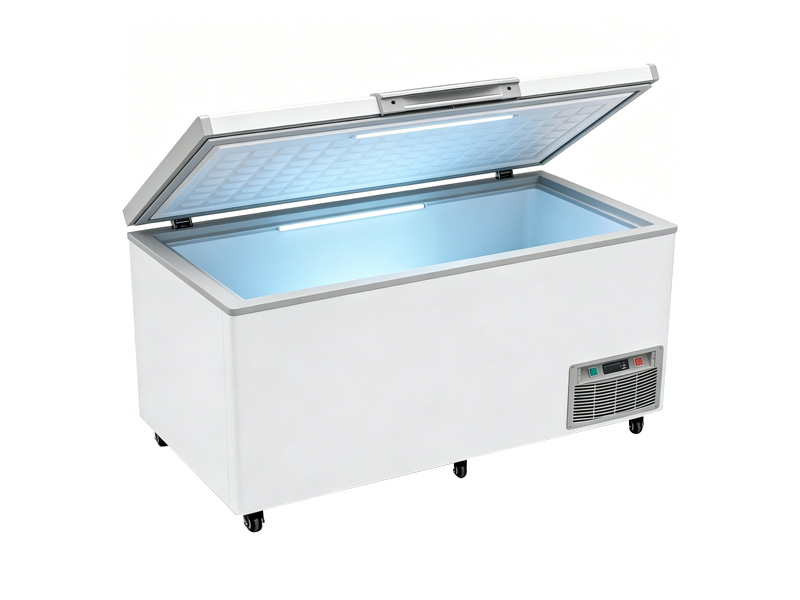
What is an ultra low temp freezer
You use an ultra low temp freezer when you need to store materials at extremely low temperatures. This equipment keeps your samples safe by reaching temperatures far below what a standard freezer can achieve. Most models can cool down to -80°C or even -86°C. You find these freezers in laboratories, hospitals, and research centers. They help you protect sensitive items like biological samples, medicines, and vaccines.
The cooling technology inside an ultra low temp freezer uses a cascade refrigeration system. This system has two separate cooling circuits. The first circuit brings the temperature down to a moderate cold level. The second circuit uses a special refrigerant to lower the temperature even further, reaching below -80°C. Advanced insulation, such as high vacuum panels and tight-sealing doors, helps keep the cold air inside. This design ensures your samples stay at a stable, safe temperature for long periods.
Tip: Always check the seals and insulation on your ultra low temp freezer. Good insulation keeps your samples safe and reduces energy use.
Temperature range and main uses
Ultra low temp freezers usually operate between -40°C and -86°C. You can choose the exact temperature based on what you need to store. Some freezers, like the ICEMA Ultra-low Temperature Freezer, reach as low as -86°C. This wide range lets you store many types of sensitive materials.
You will find ultra low temp freezers used in many important fields:
Life sciences and medical research rely on these freezers for storing samples.
Clinical labs use them to keep biological materials safe.
Hospitals store vaccines, medications, and blood products.
Blood banks maintain plasma and other blood components.
Pharmaceutical companies use them for drug production and quality control.
Biotechnology labs protect DNA, RNA, and cell cultures.
Chemical experiments need stable, low temperatures for certain tests.
Here is a quick overview of where you might use an ultra low temp freezer:
Field | What You Store |
|---|---|
Hospitals | Vaccines, medications, blood products |
Clinical Laboratories | Biological samples, research materials |
Blood Banks | Plasma, blood components |
Pharmaceuticals | Medicines, vaccines |
Biotechnology | DNA, RNA, cell cultures |
Chemical Research | Sensitive chemicals |
You depend on an ultra low temp freezer to keep your samples safe and ready for use. These freezers support your work in science, medicine, and research by providing a reliable cold storage solution.
Ultra Low Temp Freezer vs Standard Freezer
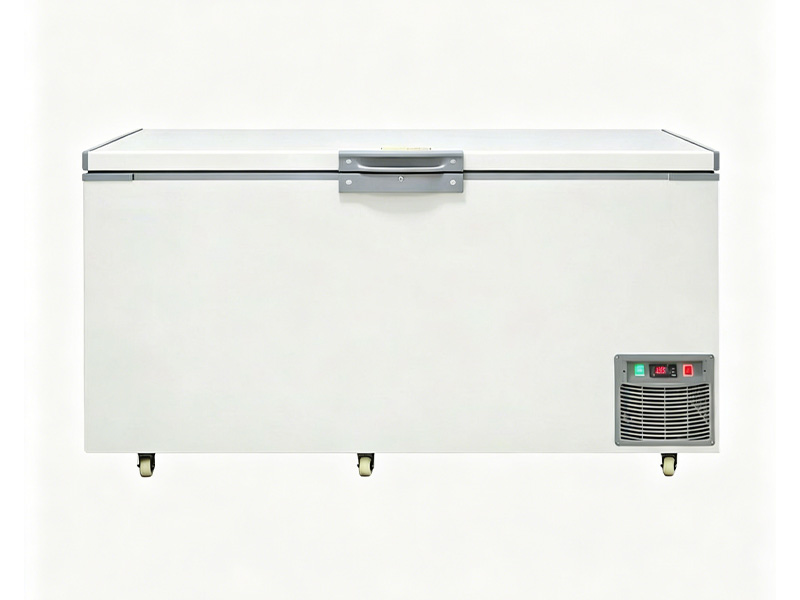
Temperature and technology differences
You may wonder how an ultra low temp freezer differs from a standard freezer. The main differences come from the temperature range, cooling technology, insulation, and energy use. The table below shows a clear comparison:
Aspect | Standard Freezer | Ultra Low Temperature Freezer |
|---|---|---|
Temperature Range | 0°C to -18°C | -40°C to -86°C or lower |
Refrigeration System | Single-stage compression | Cascade or dual-stage refrigeration |
Insulation | Standard foam | Thick walls, vacuum panels |
Energy Consumption | Low to moderate | High |
Temperature Precision | Moderate | High, with digital monitoring |
You see that an ultra low temp freezer uses advanced technology. It has a cascade refrigeration system and thick insulation. These features help you reach much lower temperatures and keep them stable. You also get precise digital controls to monitor your samples. While these freezers use more energy, some models, like those from ICEMA, focus on energy efficiency to help you save power.
Applications in science and medicine
You use ultra low temp freezers for many important tasks in science and medicine. These freezers help you store samples that need very cold temperatures for long periods. Here are some common uses:
Clinical and hospital laboratories
University and research labs
Biotechnology and genetic engineering labs
Pharmaceutical research and production
Vaccine development and storage
Microbiology and virology labs
Blood banks and tissue storage centers
You store many types of samples in these freezers. The table below shows which samples need ultra low temperatures:
Sample Type | Recommended Temperature | Storage Duration |
|---|---|---|
Tissue Samples | -80°C to -150°C | Multi-year to decades |
Blood Samples | -80°C (plasma/serum), -150°C (PBMCs) | Long-term |
Cell Cultures | -150°C to -196°C | Viable cells need liquid nitrogen |
DNA | -20°C to -80°C | Varies by stability |
RNA | -80°C only | Varies by stability |
You rely on an ultra low temp freezer to stop biological activity and prevent sample loss. This protection is vital for research, medicine, and drug development. You keep your samples safe and ready for future use.
Why Ultra Low Temp Freezers Matter
Sample preservation and protection
You rely on an ultra low temp freezer to keep your samples safe and usable. When you store biological materials at extremely low temperatures, you stop biochemical reactions. This process protects the integrity and function of your samples for years. You use advanced insulation and precise digital controls to maintain stable temperatures. These features help you avoid temperature swings that can damage your samples.
Feature | Description |
|---|---|
Temperature Range | Maintains extremely low temperatures, often down to -80°C. |
Insulation | Uses advanced insulation to prevent temperature changes. |
Temperature Control | Offers digital controls for uniform cooling. |
Sample Organization | Stores samples in organized racks and boxes to prevent damage. |
Monitoring Systems | Includes alarms and monitoring for reliability and compliance. |
You also reduce contamination risks. Hemolysis, lipemia, and ex vivo complement activation are common problems in labs. These issues can ruin your results and make your samples unusable. By keeping samples cold, you prevent these contaminants from affecting your work.
Note: Reliable preservation is crucial for advanced therapies and research. You protect the value of your samples and ensure they stay effective.
Risks of cold chain failure
Cold chain failure can cause serious problems. If your ultra low temp freezer stops working, you risk losing valuable samples. Many lab professionals have experienced cold storage failures. In fact, 71% of them report at least one incident during their careers.
A five-day thermal excursion at Karolinska Institutet destroyed thirty years of leukemia patient samples. The loss reached 500 million Swedish kronor.
At Rensselaer Polytechnic Institute, a silenced alarm led to the loss of twenty years of cell cultures and a multi-million-dollar lawsuit.
Temperature excursions can make products look normal but cause loss of drug efficacy and increase toxicity.
Changes in drug formulations can create serious patient safety risks that you cannot see by inspection.
You must monitor your freezer and respond quickly to alarms. If you do not, you risk losing irreplaceable samples and facing costly consequences.
Features and Operation
Types of ultra low temp freezers
You can choose from several types of ultra low temp freezers, each designed for different storage needs. The main difference comes from the size and capacity. Some freezers fit small labs, while others support large research centers. The table below shows the most common capacity ranges and their uses:
Capacity Range | Description |
|---|---|
399 to 599L | Ideal for mid-sized laboratories, balancing space and functionality. |
150 to 399L | Popular among smaller labs, providing essential storage without excess space. |
30 to 149L | Serves niche markets, suitable for specific research applications. |
Above 600L | Accommodates large-scale operations, supporting extensive sample storage. |
You can find upright and chest models. Upright freezers save floor space and make it easy to organize samples. Chest freezers offer better temperature stability and often use less energy. ICEMA offers both types, with flexible options to match your lab’s needs. You can select a compact model for a small workspace or a large unit for high-volume storage.
Key features to consider
When you select an ultra low temp freezer, you need to look at features that protect your samples and help you save energy. The table below lists the most important features and why they matter:
Feature | Description |
|---|---|
Temperature Control | Maintains extreme cold to prevent protein degradation and molecular decay. |
Cooling Systems | Specialized systems ensure rapid cooling and consistent low temperatures. |
Insulation | High-quality insulation minimizes temperature fluctuations and energy loss. |
Alarm Systems | Alerts for temperature deviations and power loss to prevent sample damage. |
Backup Power | Battery systems ensure monitoring continues during power outages. |
Reliability | Maintains stable temperatures even with frequent door openings, ensuring sample safety. |
You should also pay attention to insulation technology. Advanced insulation helps keep the cold in and the heat out. Here are some common insulation types used in modern freezers:
Technology Type | Description |
|---|---|
Multi-layer insulation structures | Control radiation heat transfer while saving space. |
Vacuum insulation panels (VIP) | Minimize thermal radiation and boost insulation performance. |
Aerogel-based materials | Block thermal radiation and provide excellent insulation. |
Low-emissivity coatings | Reduce radiation heat transfer on interior surfaces. |
Polyurethane foam with phase-change materials | Create thermal breaks and improve energy efficiency. |
Reflective films | Work with other materials to further reduce heat transfer. |
Micro-channel technology | Minimize exposed surface area and maximize cooling efficiency. |
ICEMA uses advanced insulation and energy-saving systems in its freezers. These features help you lower your lab’s power bills and reduce your environmental impact. A typical ultra low temp freezer uses about 20 kilowatt-hours per day, or 7,300 kWh per year. Older or less efficient models can use even more. Choosing an energy-efficient model helps you save money and meet environmental regulations.
Customization is another key feature. You can adjust the size, layout, and storage options to fit your workflow. Custom freezers help you organize samples, improve traceability, and make sample retrieval faster. ICEMA offers flexible customization, so you can match your freezer to your lab’s unique needs.
Tip: Look for freezers with strong after-sales support. ICEMA provides maintenance guidance and spare parts, so you can keep your freezer running smoothly.
Operation and maintenance tips
You need to follow good practices to keep your ultra low temp freezer working at its best. Regular maintenance protects your samples and extends the life of your equipment. Here are some tips to help you:
Keep a labeled, digital inventory map on the freezer door. This helps you find samples quickly and reduces the time the door stays open.
Use a data logger with a thermal buffer for each critical freezer. This prevents false alarms and gives you accurate temperature records.
Follow a full sample-relocation procedure during manual defrost cycles. This keeps samples safe from temperature changes.
Log all temperature excursions and analyze the cause. This helps you meet audit requirements and improve your processes.
Recalibrate sensors every year and update your records. This keeps your temperature readings accurate.
Pre-cool a backup freezer before starting any maintenance. This gives your samples a safe place during downtime.
You should also pay attention to energy use and environmental impact. Many new freezers use natural refrigerants and inverter-controlled compressors to lower energy consumption. Some models can cut power use by up to 66% and reduce carbon footprint by over 70%. ICEMA’s energy-efficient designs help you meet these goals while keeping your samples safe.
Note: Good maintenance and smart operation protect your samples and help you save energy. Always follow your freezer’s guidelines and reach out to your supplier for support when needed.
Choosing the right ultra low temperature freezer keeps your samples safe and your lab running smoothly. You should look for features that match your needs and protect your work. Key factors include temperature range, insulation, and safety systems.
Feature | Why It Matters |
|---|---|
Temperature Range | Keeps samples at the right cold level |
Energy Efficiency | Lowers electricity costs over time |
Customization | Fits your space and workflow |
Reliable Support | Ensures long-term performance |
When you match freezer features to your facility, you protect your samples and save money. Always pick a freezer that fits your lab’s size, storage needs, and safety standards.
FAQ
How often should you defrost an ultra low temperature freezer?
You should defrost your freezer at least once a year. If you see ice building up, defrost sooner. Regular defrosting helps your freezer run better and keeps your samples safe.
What can you store in an ultra low temperature freezer?
You can store vaccines, blood, DNA, RNA, cell cultures, and sensitive chemicals. These freezers protect items that need very cold temperatures for long-term safety.
How do you keep your freezer energy efficient?
Choose a model with advanced insulation and energy-saving features. Keep the door closed as much as possible. Check seals often. Clean the coils and vents to help your freezer use less power.
Can you customize the size or layout of your freezer?
Yes, you can. Brands like ICEMA offer customization. You can pick the size, number of shelves, and storage layout to fit your lab’s needs.
What safety features should you look for?
Feature | Why It Matters |
|---|---|
Alarm Systems | Warn you about temperature changes |
Backup Power | Keeps monitoring active during outages |
Lockable Doors | Protects your samples from tampering |


