


How much does a cold storage room cost
You will find that the price for a cold storage room can change a lot based on several key factors. Size, temperature needs, type of construction, features, and installation all play important roles. Check the table below for a quick look at typical price ranges:
Size Category | Price Range (per sq ft) | Total Cost Range |
|---|---|---|
Small-scale unit | $250–$458 | $300,000–$550,000 |
Mid-sized warehouse | ~$167 | ~$5,000,000 |
Large-scale warehouse | ~$125–$200 | $12.5M–$20M |
You can choose a solution that fits your needs and budget with PERMAFROST Cold Room Storage Solutions from ICEMA GROUP.
Key Takeaways
Cold storage room costs vary widely based on size, temperature needs, and construction type. Understand these factors to budget effectively.
Investing in high-quality insulation and advanced refrigeration systems can lower energy costs over time, making your facility more efficient.
Choosing between modular and custom cold storage rooms affects both cost and installation time. Modular options are quicker and often cheaper.
Regular maintenance and preventive care can extend the lifespan of your cold storage room and reduce emergency repair costs significantly.
Always compare quotes from multiple suppliers to ensure you get the best value. Look for energy-efficient options and ask about warranties.
Cold Storage Room Cost Breakdown
By Size
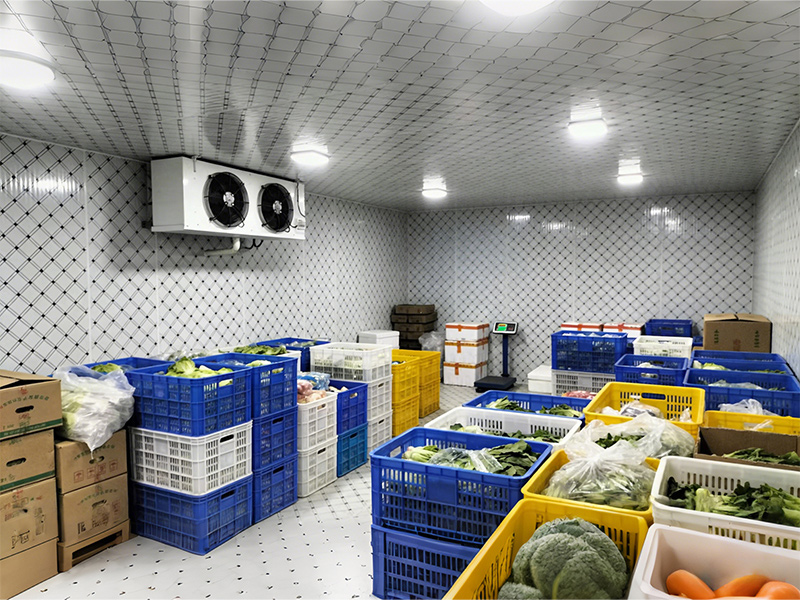
When you look at the cost of a cold storage room, size is one of the biggest factors. A small unit, like a 10m³ room, costs much less than a large warehouse that holds thousands of cubic meters. As you increase the size, you need more insulation, stronger cooling units, and more labor for installation. These needs make the total price go up. However, the cost per cubic meter often goes down for bigger rooms because you can buy materials in bulk and use larger equipment more efficiently.
Small cold storage rooms (10m³–50m³): $300,000–$550,000 total
Medium cold storage rooms (100m³–1,000m³): $1,000,000–$5,000,000 total
Large cold storage warehouses (5,000m³–50,000m³): $12.5M–$20M total
PERMAFROST Cold Room Storage Solutions from ICEMA GROUP can scale from compact 10m³ units to massive 50,000m³ hubs. This flexibility lets you choose the right size for your needs and budget. You also benefit from advanced materials, like high-density PU panels, which help lower energy use and keep costs down over time.
Tip: Bigger rooms may cost more upfront, but you can save money per cubic meter as you scale up.
By Temperature (Chiller vs. Freezer)
The temperature you need also changes the price. Chillers keep goods cool, usually between 2°C and 8°C. Freezers go much lower, often below -18°C. Ultra-low temperature rooms can reach -40°C or even colder. Lower temperatures require thicker insulation and more powerful compressors, which add to the cost.
Temperature Type | Typical Use Cases | Cost Impact |
|---|---|---|
Chiller (2°C–8°C) | Fresh produce, dairy | Lower cost |
Freezer (-18°C) | Frozen foods, meat | Medium cost |
Ultra-low (-40°C) | Pharmaceuticals, samples | Highest cost |
PERMAFROST solutions offer both chiller and freezer options. You get reliable performance with advanced compressors from brands like Copeland, Panasonic, and Bitzer. These systems help you control temperature accurately and efficiently, which is important for food, pharmaceuticals, and other sensitive products.
By Type (Modular, Custom)
You can choose between modular and custom cold storage rooms. Modular rooms use pre-made panels and standard sizes. They are quick to install and usually cost less. Custom rooms are built to fit your exact space and needs. They may include special doors, extra insulation, or unique layouts. Custom designs cost more but give you the best fit for your operation.
Type | Features | Cost Range |
|---|---|---|
Modular | Standard sizes, fast setup | Lower to medium |
Custom | Tailored design, special needs | Medium to higher |
ICEMA GROUP’s PERMAFROST range includes both modular and custom options. You can pick a simple walk-in cooler or a complex, high-tech warehouse. The use of advanced, eco-friendly materials and smart design helps you save on energy and maintenance, no matter which type you choose.
Note: High-quality insulation and smart design can lower your long-term costs, even if you pay more at the start.
Key Cost Factors
Insulation & Materials
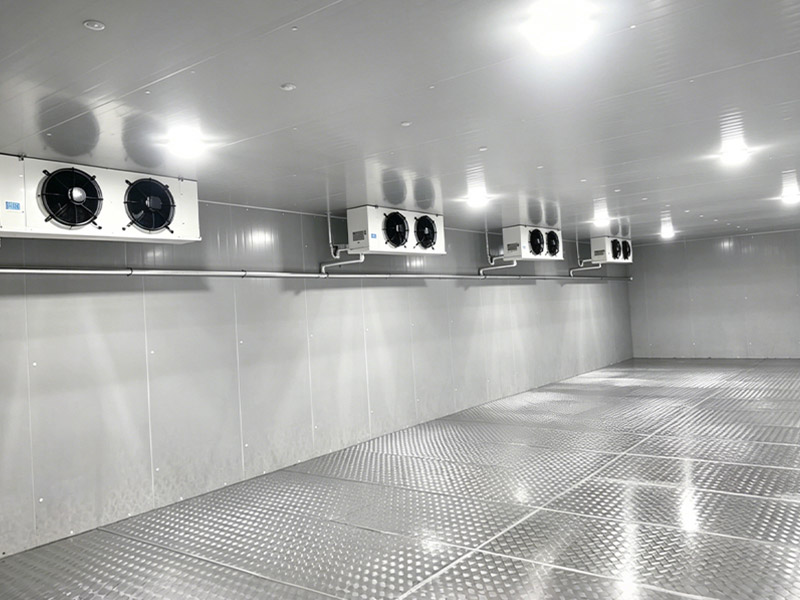
Insulation is one of the most important parts of any cold storage room. When you choose high-density polyurethane (PU) panels, you get superior thermal resistance. These panels help keep the cold air inside and the warm air out. This means your refrigeration system does not have to work as hard, which saves you money on energy bills over time. Next-generation materials, such as extruded polystyrene (XPS) and vacuum-insulated panels (VIPs), also offer excellent moisture resistance and can last for decades. Investing in high-quality insulation creates a strong thermal envelope. This helps you avoid temperature swings and high energy costs.
Material Type | Benefits | Impact on Cost and Energy Efficiency |
|---|---|---|
High-density PU panels | Superior thermal resistance | Reduces workload on refrigeration systems, lowering energy costs over time |
PIR panels | Enhanced fire resistance | Provides a high R-value, improving thermal efficiency |
EPS | Lightweight and waterproof | Cost-effective alternative with decent insulation properties |
Mineral wool | High-heat fire barriers | Effective for specific temperature control needs |
Tip: Prioritize a higher R-value when building your cold storage room. This helps you save money in the long run.
Refrigeration System
The refrigeration system is the heart of your cold storage room. Advanced compressors from brands like Copeland, Panasonic, and Bitzer can make a big difference. These compressors use less energy and provide reliable cooling. When you invest in high-quality compressors, you lower your operating costs over the life of your facility. Many buyers now focus on the total cost of ownership, not just the upfront price. Energy efficiency and system reliability matter most. The latest compressor technology, such as the BITZER ECOLITE condensing unit, improves performance and reduces energy use.
Advanced compressors help you save on electricity bills.
Reliable systems mean fewer repairs and less downtime.
Energy-efficient designs support your business and the environment.
Installation & Location
Where and how you install your cold storage room affects your total cost. Above-ground units are usually more affordable. They need less foundation work and have fewer risks, like water leaks. Below-grade installations, on the other hand, can double your foundation costs because of extra digging and waterproofing. The size and design of your facility also play a role. If you need multiple temperature zones or special areas, your costs will go up. The location matters too. Building in a high-seismic zone means you need stronger structures. Remote sites may need extra power infrastructure, which adds to your budget.
Note: Simpler designs and easy-to-access locations help you control costs.
Extra Features
Adding extra features can improve your cold storage room but will also increase the price. Some common upgrades include:
Shelving systems for better organization
Temperature monitoring and control systems
Remote alarm and SMS alert systems
Humidity control units
These features help you manage your products and respond quickly to any issues. They also make your facility safer and more efficient.
Certifications like CE and ISO9001 add value to your investment. CE certification means your cold storage room meets European standards. ISO9001 shows that your facility follows strict quality rules. These certifications improve your facility’s reputation and can make it easier to do business in different markets.
Certification | Impact on Value and Price |
|---|---|
CE | Ensures compliance with European standards, enhancing marketability. |
ISO9001 | Confirms product quality, improving operational efficiency and perceived value. |
Choosing a certified, eco-friendly solution like PERMAFROST from ICEMA GROUP gives you peace of mind and long-term savings.
Additional & Ongoing Costs
Installation Fees
You will face installation fees when setting up a cold storage room. These fees cover labor, site preparation, and equipment placement. Costs depend on the complexity of your facility and the location. Above-ground installations usually cost less. If you build in a remote area or need extra foundation work, fees can rise. Some companies offer financing options, such as equipment loans or leasing. These choices help you manage upfront costs and spread payments over time.
Financing Option | Description |
|---|---|
Equipment Loans | Lump sum for purchase, equipment as collateral |
Equipment Leasing | Long-term rental, lower monthly payments |
SBA Loans | Long-term loans for major acquisitions |
Tip: Ask about government rebates or tax credits for energy-efficient installations. These incentives can lower your initial expenses.
Maintenance & Energy
Operating a cold storage room brings ongoing costs. Energy bills make up the largest share, often 60-70% of total expenses. Maintenance costs average 10-15% of your initial equipment investment each year. You must clean coils, check refrigerant levels, and inspect door seals regularly. High-quality insulation and efficient compressors help you save energy. Upgrading to variable frequency drives and managing storage loads can cut energy use by up to 30%.
Cost Category | Typical Share of Operating Costs | Primary Driver |
|---|---|---|
Energy | 60–70% | Refrigeration load, insulation |
Maintenance | 10–15% | Equipment quality, usage |
Labor | 15–20% | Facility size, automation |
Monthly energy bills range from $0.50 to $1.25 per square foot.
Maintenance tasks include cleaning, filter replacement, and seal checks.
Regular upkeep extends the lifespan of compressors and control systems, which can last 15-25 years.
Permits & Compliance
You must secure permits and meet compliance standards before operating your facility. Local authorities require safety checks and environmental certifications. CE and ISO9001 certifications show your facility meets international standards. These approvals protect your business and help you access new markets. Government incentives encourage energy-efficient designs, making compliance easier and more affordable.
Stay updated on regulations to avoid fines and delays. Proper documentation ensures smooth operations.
Example Cost Scenarios
Small Room Example
You might need a compact solution for a small grocery store or a restaurant. A PERMAFROST cold storage room with a 10m³ capacity fits this need. You can store fresh produce, dairy, or beverages. The cost for this size usually ranges from $300,000 to $550,000. You get high-density PU panels that keep energy bills low. The modular design makes installation quick and easy. You can add basic shelving and a simple temperature control system. This setup works well if you want reliable cooling without extra features.
Commercial Room Example
If you run a mid-sized warehouse or a food distribution center, you need more space and stronger systems. A PERMAFROST solution with a 1,000m³ capacity gives you room for frozen foods, meat, or pharmaceuticals. The total cost often falls between $1,000,000 and $5,000,000. You benefit from advanced insulation and integrated refrigeration systems. These features help you control temperature and humidity. When you compare different construction methods, you may see that tilt-up walls look cheaper at first. However, when you add insulation and vapor barriers, the price can rise. Using insulated metal panels from PERMAFROST helps you plan your budget more accurately. You also save money over time because the system uses less energy.
Note: Advanced insulation and integrated systems can lower your long-term costs, even if the upfront price is higher.
Custom High-End Example
You may need a custom high-end cold storage room for a large logistics hub or a pharmaceutical company. A PERMAFROST solution can scale up to 50,000m³. You can request special features like ultra-low temperature zones, humidity control, and remote monitoring. The total cost can reach $20 million or more. You get a tailored design that matches your workflow. The use of eco-friendly materials and smart controls helps you meet strict industry standards. You also gain peace of mind with CE and ISO9001 certifications.
Tip: Custom solutions give you the best fit for your business and help you meet future needs.
Tips for Quotes & Savings
When you plan to invest in a cold storage room, you want to get the best value for your money. You can follow several smart steps to save on costs without giving up quality.
Start by getting quotes from multiple suppliers. Ask each company for a detailed breakdown of what is included. Make sure you compare the same features, such as insulation type, compressor brand, and certifications. This helps you spot hidden fees or missing items.
Tip: Always ask about warranty terms and after-sales support. Good service can save you money on repairs later.
You can also save by choosing the right design and features. For example, a well-organized warehouse layout helps you group similar products together. This setup keeps cold air inside and reduces energy use. Upgrading to energy-efficient HVAC systems can cut your energy bills by up to 30%. Automated temperature controls help you avoid air loss and keep each zone at the right temperature.
Here are some proven strategies to help you save:
Strategy | Benefit |
|---|---|
Optimize warehouse layout | Enhances energy efficiency and reduces temperature swings |
Upgrade HVAC systems | Cuts energy costs by 15–30% |
Implement temperature control | Maintains precise zones and reduces air loss |
Efficient workforce planning | Lowers labor costs while keeping productivity high |
Preventive maintenance | Reduces emergency repair costs by up to 40% and extends equipment life |
You should also plan for regular maintenance. Simple tasks like cleaning coils and checking door seals can prevent big problems. Preventive care lowers repair costs and helps your equipment last longer.
Note: Look for government rebates or tax credits for energy-efficient cold storage rooms. These programs can lower your upfront costs.
By following these tips, you can build a cold storage room that fits your needs and budget. You will also save money over time and keep your products safe.
You now know that cold storage room costs can range from $300,000 to over $20 million. Size, temperature, type, and features all play a big role in pricing. Choosing a high-quality, energy-efficient solution like PERMAFROST from ICEMA GROUP helps you save money over time. Take time to review your needs. Reach out to trusted suppliers for a detailed quote that fits your business.
FAQ
How long does it take to install a cold storage room?
You can expect installation to take from a few days to several weeks. The timeline depends on the size, type, and features you choose. Modular rooms usually install faster than custom designs.
What is the lifespan of a cold storage room?
Most cold storage rooms last 15–25 years. High-quality insulation and regular maintenance help you extend the lifespan. You should check panels and compressors often to keep everything running smoothly.
Can you customize the cold storage room for different products?
Yes, you can customize your cold storage room. You can choose temperature zones, humidity controls, and shelving. PERMAFROST solutions from ICEMA GROUP offer flexible designs for food, pharmaceuticals, and other goods.
What certifications should you look for?
Look for CE and ISO9001 certifications. These show your cold storage room meets international quality and safety standards. Certified rooms help you access more markets and build trust with customers.


