


What commercial refrigerator is suitable for an office kitchen
You want a commercial refrigerator that fits your office kitchen and keeps food fresh. Many offices choose reach-in refrigerators, undercounter units, or compact models. These types work well because they fit in small spaces, store items you use often, and combine storage with workspace. You should look for energy efficiency and quiet operation. Brands like ICEMA offer reliable options for busy offices.
Key Takeaways
Choose the right type of commercial refrigerator based on your office kitchen size. Options include reach-in, undercounter, and compact models.
Look for energy-efficient refrigerators with ENERGY STAR certification to save on electricity bills and reduce environmental impact.
Ensure proper temperature control with digital settings and alarms to keep food safe and fresh.
Regular maintenance is key. Clean your refrigerator every week and schedule deep cleaning every three to six months.
Consider the warranty and after-sales support when selecting a brand. Strong support protects your investment and ensures smooth operation.
Best Commercial Refrigerator Types
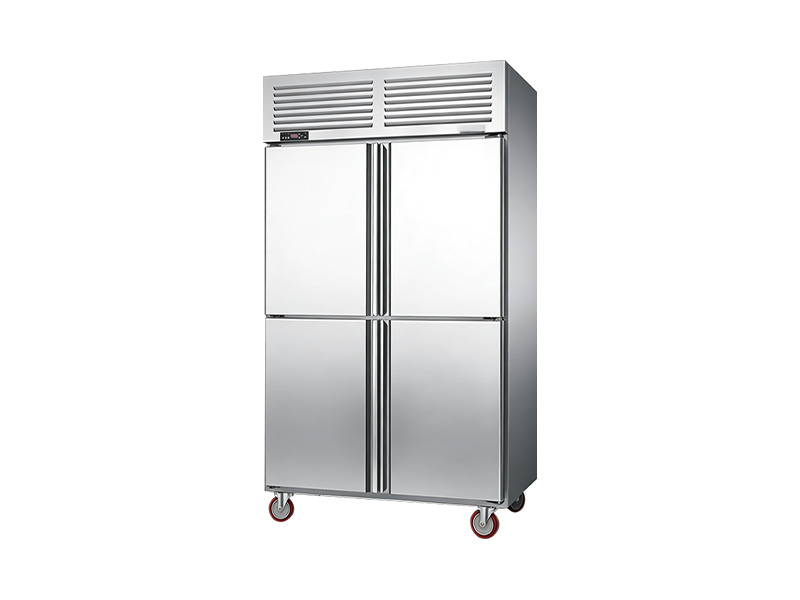
Choosing the right commercial refrigerator for your office kitchen helps you keep food safe and fresh. You have several types to consider. Each type fits different spaces and needs. Let’s look at the most popular options.
Reach-In Models
You often see reach-in refrigerators in office kitchens. These units stand upright and offer plenty of storage. You can organize drinks, snacks, and lunch items on adjustable shelves. Reach-in models work well if your office has a medium or large kitchen. You open the door and grab what you need quickly. Many reach-in refrigerators come with digital temperature controls. This feature helps you keep food at the right temperature. Some models use energy-saving compressors, which lower your electricity bills. If you want a reliable and spacious solution, a reach-in commercial refrigerator is a strong choice.
Tip: Place your reach-in refrigerator near the main prep area. This setup saves time and keeps your kitchen running smoothly.
Undercounter Options
Undercounter refrigerators fit under counters or worktables. These units save space and keep your kitchen looking neat. You can store drinks, dairy, or lunch items within easy reach. Many offices choose undercounter models for small kitchens or break rooms.
Here is a quick look at the pros and cons of undercounter refrigerators:
Pros of Undercounter Refrigerators | Cons of Undercounter Refrigerators |
|---|---|
Space-Saving: Minimizes space in small kitchens or prep areas. | Capacity: Limited storage compared to larger commercial refrigerators. |
Accessibility: Keeps frequently used items within easy reach. | Access: Bending down to access items may not be ideal for all staff. |
Efficiency: Typically energy-efficient due to smaller size. | N/A |
You get easy access to items you use most. These refrigerators also use less energy because of their smaller size. If your office has limited space, an undercounter commercial refrigerator can be a smart pick.
Compact and Countertop Units
Compact and countertop refrigerators work best for very small office kitchens. You can place these units on a counter or in a corner. They hold drinks, snacks, and small lunch items. These refrigerators use less power and make little noise. You can move them easily if you need to rearrange your kitchen. Compact models suit offices with only a few staff or where space is tight. If you need a simple way to keep food cold without taking up much room, a compact commercial refrigerator is a practical solution.
Note: Always check the size and storage capacity before you buy. Make sure the refrigerator fits your kitchen and meets your staff’s needs.
Choosing Size and Capacity
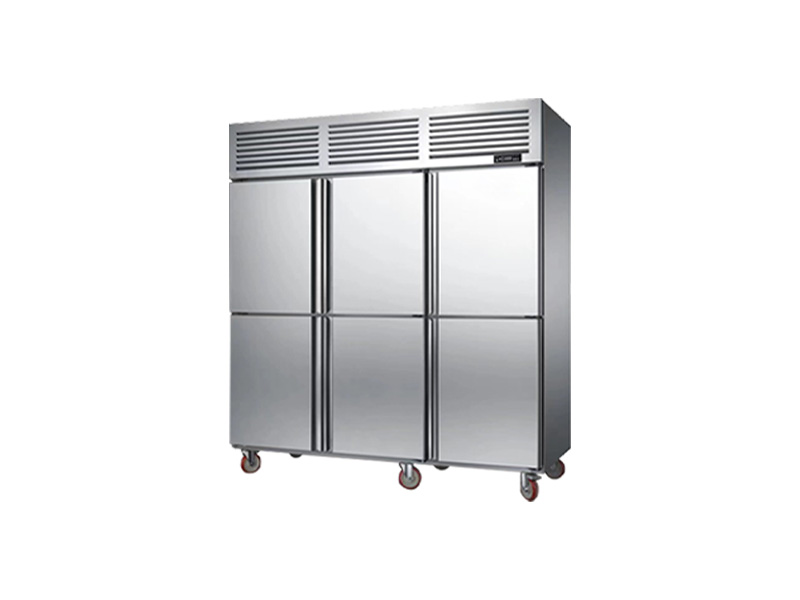
Assessing Kitchen Space
Before you choose a commercial refrigerator, measure your kitchen space carefully. You want the unit to fit without blocking walkways or work areas. Make sure you leave enough room around the refrigerator for proper airflow. This helps the fridge run efficiently and last longer. Place the refrigerator away from ovens or other heat sources to prevent overheating. Think about your kitchen layout. Position the fridge near prep areas so staff can grab ingredients quickly.
Leave space at the back and sides for air to move.
Keep the front grille clear for easy cleaning and airflow.
Avoid placing the fridge next to stoves or fryers.
Here is a quick guide for clearance requirements:
Model Type | Back Clearance | Side Clearance | Top Clearance | Front Grille Clearance |
|---|---|---|---|---|
Rear-Venting | 2 to 3 inches | 1 to 2 inches | 1 inch | Must be completely clear |
Front-Venting | 0 inches | 0 inches | 1/8–1/4 inch | Must be completely clear |
Matching Staff Needs
You should match the refrigerator size to your staff’s needs. Count how many people use the kitchen each day. Think about what foods and drinks you store. For example, a small office may need space for coffee, tea, and snacks. A larger team may need room for lunches and bulk items.
Measure the fridge’s width, depth, and height to fit your kitchen.
List the types and amounts of food you store each week.
Use staff count as a guide. For every 10 employees, plan for 1–2 pounds of coffee and 20–40 tea bags per week.
Store paper towels, trash bags, and cleaning supplies in cabinets or under the sink to keep the fridge clear.
Space-Saving Tips
You can make the most of your refrigerator space with smart strategies. Use stackable containers for leftovers and prepped foods. Group similar items in clear, labeled bins. Never overload shelves—airflow keeps food safe and cold. Add shelf dividers to separate food types. Create zones for dairy, produce, and meats to prevent mix-ups. Use hanging racks or tiered organizers to go vertical. Store items you use most at eye level for quick access. Vacuum-sealed bags help save space and keep bulk items fresh.
Strategy | Action Item |
|---|---|
Stack & Contain | Use stackable containers and clear bins for easy storage and tracking. |
Airflow is Key | Avoid overloading shelves to keep air moving and temperatures steady. |
Utilize Dividers | Add shelf dividers to separate foods and prevent crowding. |
Designate Zones | Label sections for dairy, produce, and meats for easy access and safety. |
Go Vertical | Use hanging racks or tiered organizers for small items and condiments. |
Visibility | Place frequently used items at eye level. |
Bulk Storage | Store bulk foods in vacuum-sealed bags to save space and keep them fresh. |
Tip: Organize your fridge every week. This keeps food fresh and makes it easy for everyone to find what they need.
Key Features for Office Kitchens
Energy Efficiency
You want your office kitchen to save energy and money. Choosing an energy-efficient commercial refrigerator helps you do both. Look for models with the ENERGY STAR certification. This label means the refrigerator uses less energy than standard models. You will see lower utility bills over time. ENERGY STAR units also help the environment by reducing energy waste.
ENERGY STAR certification shows the refrigerator meets strict energy standards.
These models use less electricity, which saves you money each month.
Over the life of the refrigerator, you can save even more, making it a smart investment.
Temperature Control
Keeping food safe in your office kitchen starts with good temperature control. A commercial refrigerator with digital controls lets you set the exact temperature you need. You can check the display quickly to make sure everything stays cold. Some refrigerators have alarms that warn you if the temperature goes too high or too low. This helps you avoid spoiled food and keeps your staff healthy.
Digital controls give you precise temperature settings.
Easy-to-read displays make it simple to monitor the fridge.
Built-in alarms alert you to any problems right away.
Noise Level
A quiet office kitchen helps everyone focus. When you pick a commercial refrigerator, check the noise level. Some models run more quietly than others. Look for refrigerators with sound-dampening features or quieter compressors. You will notice the difference during meetings or busy work hours. A low-noise refrigerator creates a better work environment for your team.
Tip: Place the refrigerator away from desks or meeting rooms to reduce noise even more.
Easy Maintenance
Regular maintenance keeps your refrigerator running well. You should follow a schedule based on how often you open the door and the kitchen’s condition. For example, if your office opens the refrigerator door more than 100 times a day, service it every three months. In a cool, clean kitchen with fewer door openings, every six months is enough. Here is a quick guide:
Condition/Type of Refrigerator | Recommended Service Frequency |
|---|---|
100+ door openings/day | Every 3 months |
20-50 door openings/day | Every 6 months |
Hot, greasy kitchen | Every 3 months |
Cool, clean kitchen | Every 6 months |
Walk-in refrigerators | Every 6 months (quarterly in hot/greasy kitchens) |
Reach-in refrigerators | Every 3 months |
Specialty fridges | Every 2-3 months |
Refrigerator age < 7 years | Every 6 months |
Refrigerator age > 7 years | Every 3 months |
Cleaning the coils and checking the seals help your commercial refrigerator last longer. Regular care also keeps your food safe and your kitchen running smoothly.
Top Brands and ICEMA Overview
ICEMA Commercial Refrigerator
You want a commercial refrigerator that works well in your office kitchen. ICEMA stands out as a trusted brand. You get stable cooling that keeps food fresh and safe. The energy-saving compressor helps you lower your electricity bills. Digital temperature control lets you set the exact temperature you need. You can adjust settings easily and check the display at a glance. ICEMA offers many sizes and styles. You can choose a workbench model, a two-door unit, or even a six-door configuration. This flexibility helps you match the refrigerator to your kitchen space and staff needs. ICEMA also provides strong after-sales support. If you need maintenance or technical help, you get quick answers and reliable service. The stainless steel construction makes the refrigerator durable and easy to clean. ICEMA tests every unit before delivery, so you know you are getting a quality product.
Note: ICEMA’s customization options make it easy to find a refrigerator that fits your office kitchen perfectly.
Other Leading Brands
You have other good choices for commercial refrigerators. Brands like True, Traulsen, Hoshizaki, Beverage-Air, Turbo Air, and Atosa offer reliable products. True is known for its sturdy build and long-lasting performance. Traulsen gives you advanced temperature control and strong durability. Hoshizaki focuses on quiet operation and energy efficiency. Beverage-Air makes models that fit small spaces and run quietly. Turbo Air offers fast cooling and easy maintenance. Atosa provides affordable options with simple controls. Each brand has strengths, but ICEMA stands out for its energy-saving features, digital controls, and flexible customization. You get a refrigerator that matches your office needs and keeps your kitchen running smoothly.
If you want a commercial refrigerator that combines reliability, efficiency, and support, ICEMA is a smart choice for your office kitchen.
Cost and Value
Price Ranges
You want to know how much a commercial refrigerator costs for your office kitchen. Prices can vary based on size, features, and brand. Compact and countertop models usually start around $500. Undercounter units often range from $1,000 to $2,500. Reach-in models can cost between $2,000 and $5,000 or more. If you choose a refrigerator with smart technology or extra features, you may pay more. Always compare prices and check what features you get for your money.
Balancing Cost and Features
You should look for the best value, not just the lowest price. Some features help you save money over time. Energy efficiency lowers your electric bills. Durable stainless steel construction means your refrigerator lasts longer and is easy to clean. Smart technology lets you monitor and control the temperature from your phone. This keeps food safe and reduces waste. You should also check for NSF certification. This shows the refrigerator meets health standards for food safety.
Here is a table of features that give you the best value:
Feature | Description |
|---|---|
Capacity | Enough space for all your food and drinks. |
Energy Efficiency | Uses less electricity and saves money. |
Durability | Stainless steel resists rust and is easy to clean. |
Smart Technology | Lets you check and control the fridge remotely. |
NSF Certification | Meets health and safety standards. |
Tip: Choose a refrigerator with the features you need most. This helps you get the best value for your budget.
Warranty and Support
You want a refrigerator that comes with strong warranty and support. Most commercial refrigerators offer at least one year of coverage for parts and labor. Some brands give you two to five years of coverage for the compressor and other key parts. Here is a quick look at common warranty terms:
Warranty Type | Coverage Period | Details |
|---|---|---|
Entire Machine | 1–3 Years | Parts & Labor |
Compressor | 2–5 Years | Parts or Parts & Labor |
You should also look for brands with good after-sales support. This means you get help with maintenance and repairs when you need it. A strong warranty and support plan protects your investment and keeps your office kitchen running smoothly.
Buying Tips and Checklist
Decision Checklist
You want to make the best choice for your office kitchen. Use this checklist to guide your decision:
Start by measuring your kitchen space. Make sure the refrigerator will fit and leave room for airflow.
Pick a size and capacity that matches your staff’s needs. Think about how much food and drink you store each week.
Choose a model that is easy to clean. Smooth surfaces and removable shelves help you keep things sanitary.
Check that the refrigerator has enough cooling power for your food items.
Look for digital temperature controls. These help you set and monitor the right temperature.
Select a unit with strong, durable construction. Stainless steel lasts longer and resists damage.
Review the warranty coverage. Good support gives you peace of mind.
Plan for proper installation and ventilation. This keeps your refrigerator running well.
Consider long-term savings. Energy-efficient models lower your utility bills over time.
Tip: Write down your top three needs before you shop. This helps you focus on what matters most.
Mistakes to Avoid
Many people make simple mistakes when buying a commercial refrigerator. You can avoid these problems by staying alert:
Not measuring your space. Always check the area and leave space for air to move around the unit.
Ignoring power requirements. Make sure your office has the right electrical setup for the refrigerator.
Picking the wrong type for your menu. Match the refrigerator style to the foods and drinks you store.
Skipping regular maintenance. Clean and check your refrigerator often to prevent breakdowns and keep food safe.
Remember: Careful planning and regular upkeep help your office kitchen run smoothly.
You have many great options when choosing a commercial refrigerator for your office kitchen. ICEMA and other top brands offer reliable choices with strong support. To make the best decision, keep these steps in mind:
Measure your space and check door clearance.
Pick the right size to avoid overcrowding.
Look for features like temperature alarms and energy efficiency.
Review warranty and local service options.
Plan for regular maintenance to keep your unit running well.
FAQ
What size commercial refrigerator should you choose for your office kitchen?
You should measure your kitchen space first. Count how many people use the kitchen each day. Pick a refrigerator that fits your space and meets your staff’s storage needs.
How often should you clean your commercial refrigerator?
You should clean the inside and outside every week. Wipe spills right away. Schedule a deep cleaning and coil check every three to six months for best performance.
Can you use a residential refrigerator in an office kitchen?
You can, but a commercial refrigerator works better. It cools faster, holds more food, and lasts longer in busy office kitchens.
What features help save energy in a commercial refrigerator?
Look for an energy-saving compressor, LED lighting, and good door seals. Digital temperature controls also help you use less electricity.
Please Contact Us!
Recommended Products
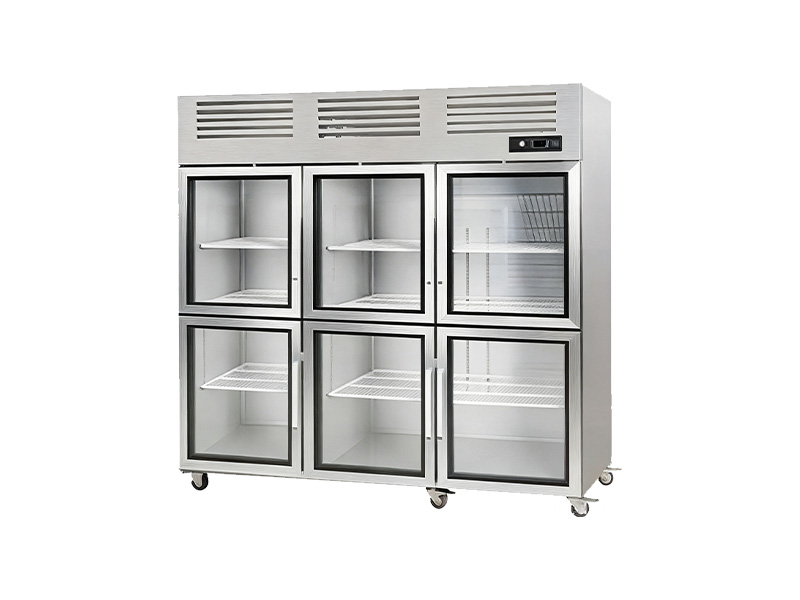
Display Six Door Commercial Refrigerator
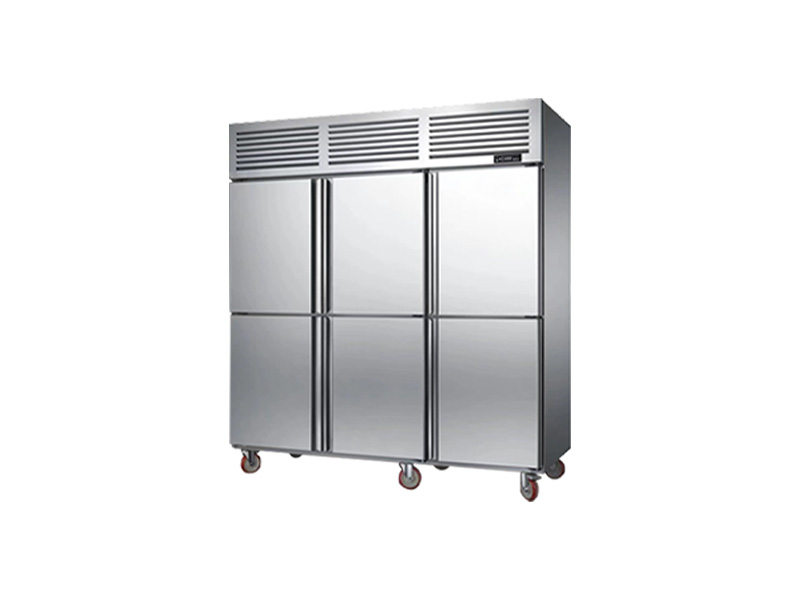
Stainless Steel Six Door Commercial Refrigerator
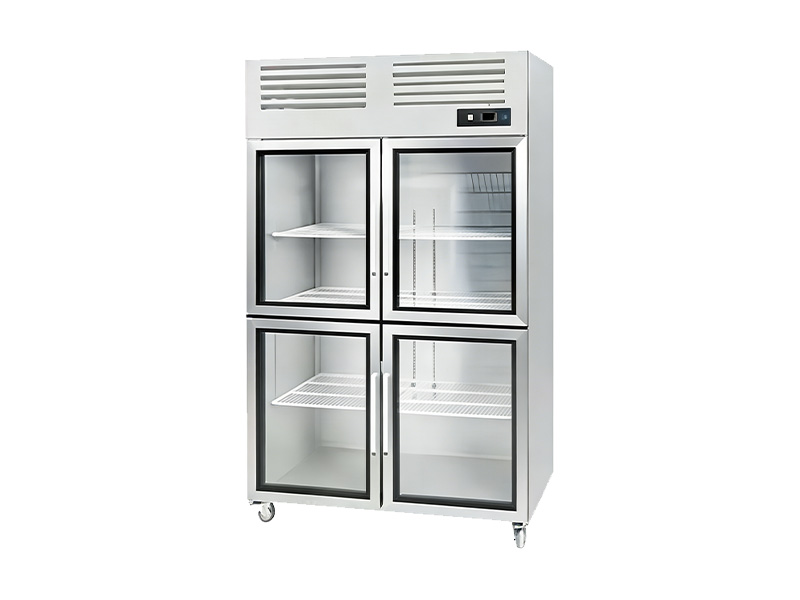
Display Four Door Commercial Refrigerator
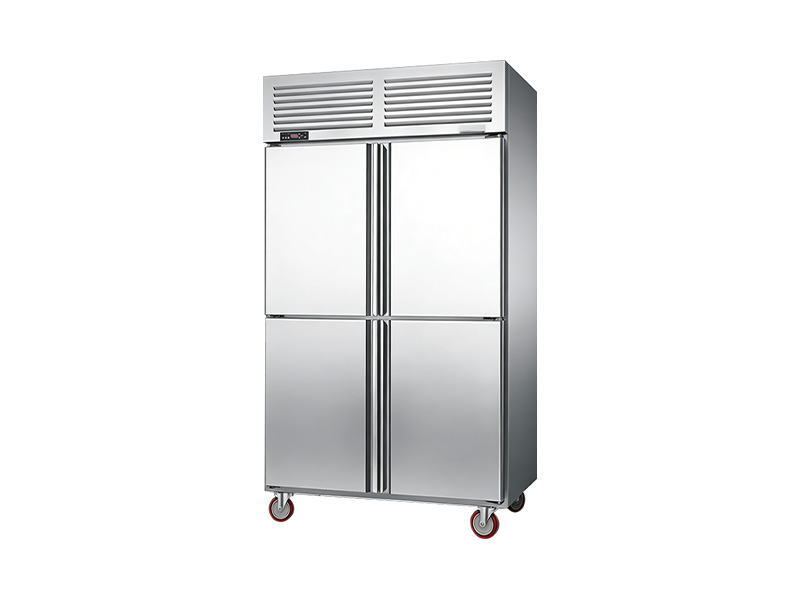
Stainless Steel Four Door Commercial Refrigerator

Double Glass Door Commercial Refrigerator

Display Double Door Commercial Refrigerator - Refrigerator 1

Stainless Steel Double Door Commercial Refrigerator - Refrigerator 1


