


How to insulate a cold room
Wondering how to insulate a cold room? You can seal drafts, add insulation to walls, ceilings, and floors, upgrade windows, or use thermal curtains. When you insulate, you boost comfort, save money, and protect your health. Check out the table below to see how insulation makes a difference:
Benefit | Description |
|---|---|
Energy Savings | Lower power bills and yearly savings |
Indoor Comfort | No more cold spots or drafts |
Health | Better air quality and humidity |
Product Safety | Keeps food and goods at stable temperatures |
ICEMA’s expertise shows that the right insulation keeps your cold room reliable and efficient. You can tackle this project with confidence!
Key Takeaways
Seal drafts to stop cold air from sneaking in. Use weatherstripping and door sweeps for better insulation.
Choose the right insulation materials. Spray foam, mineral wool, and rigid foam boards are great options.
Upgrade windows and doors. Double or triple-paned windows and quality weatherstripping can significantly reduce heat loss.
Check for signs of poor insulation. Cold spots, high energy bills, and frequent temperature changes indicate a need for better insulation.
Consider temporary solutions like thermal curtains and draft stoppers for quick fixes while planning permanent changes.
Why Is My Room Cold?
Common Causes
You might wonder why your cold room feels chilly even when the rest of your house stays warm. Several factors can make one room colder than others. Let’s look at some of the most common reasons:
Insulation in crawlspaces often varies. If your crawlspace has gaps or compressed insulation, your floor can feel cold.
Air leaks in crawlspaces let cold air seep in. Rooms above these areas lose warmth quickly.
Poor ventilation design can cause uneven airflow. Some rooms get less air, so they stay colder.
Kitchens and other rooms with less airflow may feel warmer, while bedrooms or storage areas can become cold spots.
Modern homes with good cross ventilation usually have more even temperatures.
If you notice cold floors or chilly drafts, your room probably needs better insulation or airflow. Sometimes, the problem starts with the way your house was built. Other times, it’s because insulation has shifted or settled over time.
Signs Insulation Is Needed
You can spot signs that your cold room needs insulation by paying attention to how it feels and looks. Here’s a quick table to help you figure it out:
Sign | What It Means |
|---|---|
Frequent temperature changes | Insulation isn’t keeping heat in or out |
HVAC runs often | Poor insulation forces your system to work harder |
High energy bills | Heat escapes, so you pay more for warmth |
Cold spots or drafts | Air leaks or missing insulation cause discomfort |
Uneven wall or floor temps | Insulation coverage is inconsistent |
If you see these signs, your cold room probably needs an insulation upgrade. Proper insulation keeps heat from escaping, so your HVAC system doesn’t have to work overtime. You’ll notice fewer drafts and more stable temperatures. Quality insulation also stops thermal bridging, which means your room stays warmer with less energy.
Tip: If you feel a cold breeze near windows or doors, try sealing gaps with weatherstripping. This simple fix can make a big difference.
Cold Room Insulation Steps
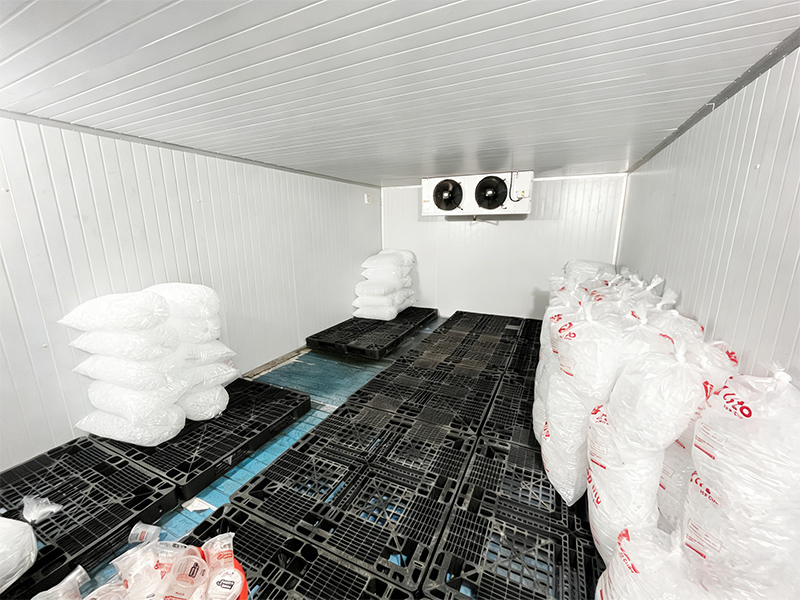
Inspect and Seal Drafts
Start by finding and sealing drafts. Even small gaps can let in a lot of cold air. Here’s a simple checklist you can follow:
Check your furnace filter and replace it if it’s dirty.
Make sure all return registers are open and not blocked.
Set your thermostat fan to AUTO.
Use a timer for bathroom fans so they don’t run too long.
Install door sweeps and add new weatherstripping to close gaps around doors.
Put foam gaskets behind outlets on exterior walls and insulate your attic hatch.
Seal pipe holes with foam sealant.
Fix duct leaks with mastic sealant and UL-181 foil tape.
If your cold room still feels chilly, think about getting a professional to check your air balance.
Tip: Use your hand to feel for cold air near windows, doors, and outlets. If you feel a breeze, you probably have a draft.
Choose Insulation Materials
Picking the right insulation makes a big difference. You want materials that keep heat in and moisture out. Here’s a quick look at some top choices:
Material | Thermal Conductivity (W/m·K) | Moisture Resistance |
|---|---|---|
PU Panel | 0.020–0.025 | Excellent |
PIR Panel | 0.018–0.023 | Excellent |
EPS Panel | 0.030–0.040 | Moderate |
VIP Panel | 0.004–0.008 | Good |
You can also use spray foam, mineral wool, or rigid foam boards. Each has its own strengths:
Feature | Spray Foam | Mineral Wool | Rigid Foam Board |
|---|---|---|---|
Air Sealing | Excellent | Moderate | Moderate |
R-Value per Inch | R5.6–R8 | R3.0–4.2 | R3.8–5.0 |
Moisture Resistance | High | High | Moderate |
Durability | 50+ years | 20–30 years | 20–30 years |
Noise Reduction | Excellent | High | Moderate |
Upfront Cost | Higher | Higher | Moderate |
ROI | High | Moderate | Moderate |
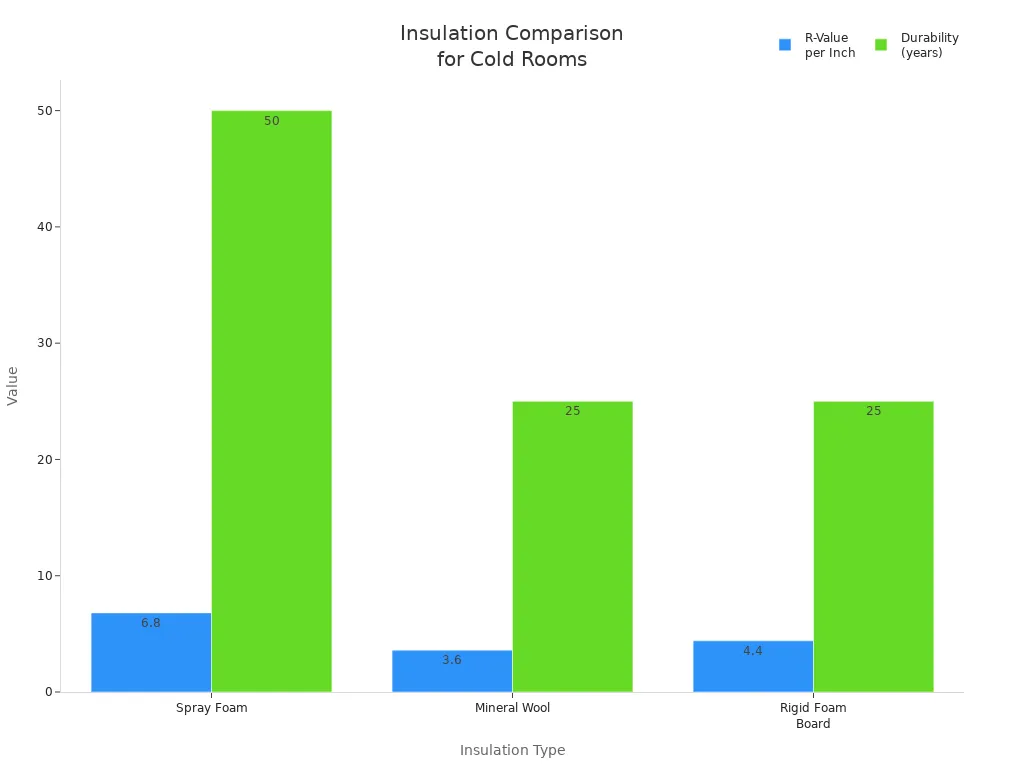
Mineral wool stands out for fire resistance and soundproofing. Spray foam seals air leaks well. Rigid foam boards are easy to cut and fit. If you want the best results, look for panels with high R-values and strong moisture resistance.
Wall, Floor, and Ceiling Methods
Insulating the walls, floor, and ceiling is key for a warm cold room. Here are some common methods and what you should know:
Insulation Method | Pros | Cons |
|---|---|---|
Insulated plasterboard | Space-saving, easy to install | Not great for uneven walls, less effective against thermal bridging |
Stud wall with insulation | Great thermal performance, smooth finish | Takes more time and space |
Spray foam insulation | Seals air gaps, high performance | Costs more, needs a pro, can trap moisture |
Thermal-efficient coating | Thin, saves space, lets air flow | Not as warm as thick insulation |
Batten wall insulation | Good for uneven walls, many options | Takes up space |
Rigid foam boards | Good insulation in thin layers | Can trap moisture if not vented |
Vapor barriers and moisture control | Stops condensation and frost damage | Needs careful installation |
Note: Don’t insulate every wall if your cold room needs venting. Always leave space for air to move if required.
If you want a professional finish, consider ICEMA’s PERMAFROST Cold Room Storage Solutions. These cold rooms use high-performance insulation panels and advanced moisture control. They work well for food, medicine, and other sensitive items.
When you do it yourself, watch out for uneven walls. Fill low spots with extra adhesive or timber battens. Use foam strips to seal gaps at corners and edges. Keep boards tight together to stop heat loss.
Window and Door Upgrades
Windows and doors can let out a lot of heat. Upgrading them helps your cold room stay warm and efficient. Here are some top upgrades:
Upgrade Type | Benefits |
|---|---|
Double-Paned Windows | Cuts heat loss by half compared to single-pane windows |
Triple-Paned Windows | Adds another layer for even better insulation |
Low-E Coatings | Reflects heat back inside, keeps the room warmer |
Quality Weatherstripping | Seals gaps around windows and doors, stops drafts |
Solid or Insulated Core Doors | Blocks airflow under the door, improves insulation |
Regular Re-Caulking | Keeps edges airtight, stops air leaks |
Double-pane or triple-pane windows make a big difference.
Low-E window film is a budget-friendly way to boost insulation.
Weatherstripping and door sweeps stop cold air from sneaking in.
Tip: If you see frost or condensation on your windows, it’s time to upgrade or reseal.
If you want the best performance, ask ICEMA about custom cold room doors and windows. Their solutions keep temperatures steady and energy bills low.
You can insulate your cold room yourself or hire a pro. DIY costs less but takes time and care. Professional help gives you perfect alignment and long-term savings. If you have big problems or want the best results, reach out to experts like ICEMA.
Tips and Troubleshooting
Preparation and Safety
Before you start any insulation project, you need to think about safety. Some insulation materials can release chemical vapors or tiny fibers. You want to protect yourself and your space. Here’s what you should do:
Wear personal protective equipment like gloves, goggles, and a mask.
Make sure the area has good ventilation to keep air fresh and safe.
Keep an eye on temperature and humidity. This helps insulation cure properly.
Ask everyone, including pets, to leave the room during installation and while the insulation sets.
Safety first! Taking these steps helps you avoid health risks and keeps your project on track.
Mistakes to Avoid
Many people make the same mistakes when insulating a cold room. You can save time and money by learning from these common errors:
Guessing insulation thickness instead of planning for the right performance.
Squashing insulation in tight spaces, which makes it less effective.
Blocking vents in the roof or walls, which can trap moisture and cause mold.
Forgetting to seal gaps, letting warm air leak out and cold air sneak in.
Cutting rigid boards poorly, leaving gaps that create cold spots.
Other issues include trapped moisture behind foam, poor prep work, and missing insulation in corners. Always check for gaps and make sure you have a solid air barrier.
Fixing Cold Spots
Even after you insulate, you might notice some chilly areas. Don’t worry—there are ways to fix them:
Check for air bubbles or blocked vents. Sometimes, you need to bleed trapped air.
Look at your floor insulation. Insulation can shift or break down over time.
Move rugs or heavy furniture that might block heat from spreading.
Review your installation layout. Compare it to any diagrams or plans you have.
If you still feel cold spots, look for missing insulation in corners or gaps along the walls. High humidity or poor ventilation can also cause problems. Fixing these issues will help your cold room stay warm and comfortable.
Temporary Cold Room Solutions
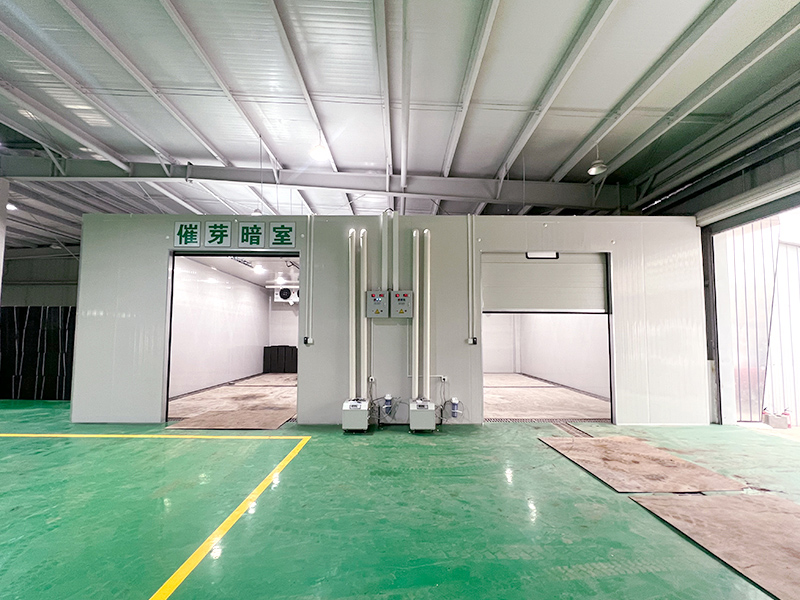
Sometimes you need a quick fix for a cold room, especially if you rent or want to avoid big changes. You have plenty of options that work well and come off easily when you move out.
Removable Insulation
You can add warmth without making permanent changes. Try these ideas:
Use window insulation film. This clear plastic sticks to your window frame and blocks cold air. You can remove it in spring.
Place foam panels or removable insulation boards against outside walls. These panels help keep heat inside.
Lay down thick area rugs or foam mats on cold floors. They add a layer of insulation and feel cozy underfoot.
These solutions work well for renters or anyone who wants to avoid construction. You can install them in minutes and take them down just as fast.
Draft Stoppers and Curtains
Drafts can sneak in under doors and around windows. You can stop them with simple tools:
Draft stoppers fit along the bottom of doors and windows. They block cold air from coming in.
Thermal curtains trap heat inside. Hang them over windows to keep your room warmer.
Window insulation film adds another barrier against the cold.
Tip: Combine draft stoppers and thermal curtains for the best results. Your cold room will feel warmer right away.
Portable Heaters
Portable heaters give you instant warmth. They work well if you need a temporary boost in your cold room. Look for models with safety features:
Safety Feature | Description |
|---|---|
Overheat Protection | Prevents the heater from overheating. |
Tip-over Switch | Turns off the heater if it falls over. |
Insulated Casings | Keeps the outside cool to touch and safe. |
Many portable ceramic heaters use energy efficiently in small spaces. Adjustable thermostats and eco-modes help you save on electricity. You can lower your heating bill by using a portable heater instead of turning up the whole house.
Stay safe with these steps:
Check that safety switches work before you plug in.
Use heaters indoors only and keep them dry.
Never cover the heater or block its vents.
Follow the instructions for voltage and wattage.
Keep heaters away from kids and pets.
These temporary solutions help you stay comfortable in your cold room without making big changes.
You can make your cold room warmer and more comfortable with a few easy steps. Start by checking for drafts, adding insulation, and upgrading windows or doors. These fixes help you enjoy:
Improved energy efficiency
Lower heating costs
Better indoor comfort
Healthier living space
Try simple solutions first, like sealing gaps or using thermal curtains. If you want lasting results, reach out to ICEMA for a custom cold room solution. You’ll notice less energy waste and more stable temperatures.
FAQ
How do I know if my cold room needs more insulation?
You might notice cold drafts, uneven temperatures, or high energy bills. If you feel chilly spots or see frost on windows, your room probably needs better insulation.
What is the best insulation for a cold room?
Spray foam, mineral wool, and rigid foam boards work well. Each type has strengths. Spray foam seals gaps. Mineral wool resists fire. Rigid foam boards are easy to install.
Can I insulate a cold room myself?
Yes, you can handle many insulation tasks yourself. Start with sealing drafts and adding foam boards. For bigger jobs, like spray foam, you might want a pro.
How do I stop condensation in my cold room?
Use vapor barriers and make sure you have good ventilation. Keep the room dry. Check for leaks and seal them. This helps prevent moisture buildup.
Do thermal curtains really help?
Yes! Thermal curtains trap heat inside and block cold air from windows. They work best when you close them at night or during cold weather.


