


How to build a cold storage room
You want to build a cold storage room to keep your food fresh and your products safe. Start with a solid plan. Think about insulation and how you'll control the temperature. Many people need cold storage close to cities because fresh food and temperature-sensitive products are in high demand. You can choose advanced solutions like PERMAFROST Cold Room Storage Solutions by ICEMA GROUP or try a DIY approach. When you use the right materials and design, you save energy and protect your goods.
Common reasons for building a cold storage room:
Growing urban populations need more fresh food.
Cold storage close to cities cuts transport time and cost.
Vertical designs help when space is tight.
Key Takeaways
Start with a solid plan. Assess your storage needs and choose the right size and location for your cold storage room.
Use high-quality insulation materials like polyurethane panels to keep cold air in and save energy.
Ensure safety and compliance with local regulations. Follow guidelines from health departments to protect your products.
Control humidity and moisture levels to prevent spoilage. Use dehumidifiers and proper ventilation for best results.
Regular maintenance is key. Check temperatures, clean equipment, and inspect insulation to keep your cold storage room running smoothly.
Planning Your Cold Storage Room
Assessing Storage Needs
Start by thinking about what you want to keep in your cold storage room. Do you need to store frozen foods, fresh produce, or maybe biological samples? Each type of item needs a different temperature. Here’s a quick guide:
Type of Perishable Goods | Recommended Temperature Range |
|---|---|
Frozen Foods | 0°F to -13°F (-18°C to -25°C) |
Refrigerated Meats | 33°F to 36°F |
Fresh Fish | Slightly above 32°F |
Eggs | 33°F to 37°F |
You should also consider the size and quantity of your items. Large items take up more space and can change the temperature inside. Fragile or sensitive products may need tighter controls. Make a list of everything you plan to store. This helps you decide how big your cold storage room should be and what features you need.
Tip: Plan how you will organize your items. Good organization saves space and keeps temperatures steady.
Choosing Location & Size
Pick a spot that stays cool and is away from heat sources. Basements, garages, or sheds often work well. If you want to save energy, choose a place with good insulation and easy access to power and water. Think about how close the room is to delivery areas or kitchens. If you plan to expand later, leave extra space.
Look for locations near transportation routes for easy loading.
Make sure the area meets local building rules and has enough utilities.
Try to pick a spot that lets you grow in the future.
The size of your cold storage room affects energy use and costs. A well-planned layout helps air move better and keeps energy bills down. High-quality insulation stops cold air from leaking out.
Accessibility & Safety
Safety comes first. Your cold storage room must follow rules from groups like the FDA, USDA, and local health departments. These rules cover things like floor drains, pest control, and temperature checks.
Regulatory Body | Requirements |
|---|---|
FDA | Food safety standards, HACCP plan |
USDA | Extra construction rules for inspected sites |
EPA | Environmental rules |
Local Health | Health department checks |
Make sure doors open easily and emergency exits are clear. Good lighting and non-slip floors help prevent accidents. If you’re building a large or commercial cold storage room, talk to a professional. They can help you meet all safety and design standards.
Cold Storage Room Materials & Design
Insulation Options
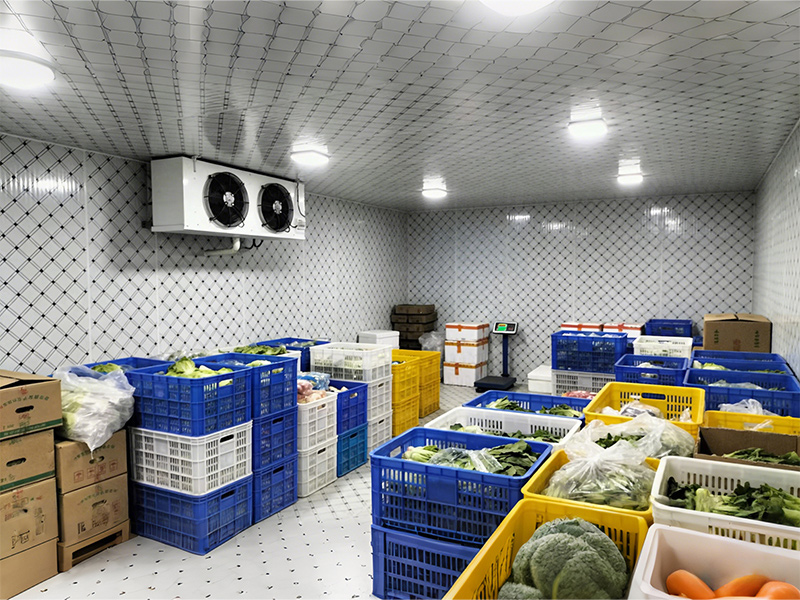
Insulation is the heart of your cold storage room. It keeps the cold in and the heat out. You want to pick materials with a high R-value because they stop heat from moving through the walls. High-density polyurethane (PU) panels, like those from PERMAFROST Cold Room Storage Solutions by ICEMA GROUP, work very well. These panels use CFC-free foam, which is better for the environment and helps you save energy.
Here’s a quick look at how different insulation materials compare:
Insulation Material | R-value per 25 mm |
|---|---|
Polyurethane (PU) | 1.2–1.4 |
Polyisocyanurate (PIR) | 1.3–1.5 |
Expanded Polystyrene (EPS) | 0.6–0.7 |
Aerogel | 10-14 per inch |
Advanced Foam Systems (closed-cell PU and PIR) | 6-8 per inch |
You can see that PU and PIR panels have high R-values. This means they keep your cold storage room colder with less energy. If you want the best performance, go for high-density PU panels. They also last a long time and are easy to install.
Air Sealing & Vapor Barriers
Air sealing and vapor barriers are just as important as insulation. If you let air leak in or out, your cold storage room will not stay cold. You will spend more money on energy, and your food or products might spoil. You need to seal every crack and gap. Use special tapes and foams around doors, windows, and joints.
A vapor barrier is a thin layer that stops moisture from getting into the walls. This keeps your insulation dry and working well. Here’s why air sealing and vapor barriers matter:
Benefit | Explanation |
|---|---|
Temperature Control | Air sealing stops heat from sneaking in, so your cold storage room stays at the right temperature. |
Moisture Control | Good sealing keeps water out, which stops mold and keeps your items safe. |
Effective Vapor Management | Vapor barriers keep moisture from building up inside the walls, which protects your building. |
Tip: Always check for leaks after you build your cold storage room. Even a small gap can cause big problems.
Moisture & Humidity Control
Moisture is the enemy of cold storage. If you let the air get too wet, you can get mold, ice, or spoiled food. You need to control humidity to keep everything fresh and safe. Dehumidifiers and proper ventilation help a lot. Some items, like leafy greens, need high humidity, while others, like pharmaceuticals, need it low.
Here’s a guide for humidity levels:
Item | Recommended RH Level |
|---|---|
Leafy greens | 90-95% |
Fruits | 85-90% |
Pharmaceuticals | 30-50% |
Dehumidification systems stop ice from forming on walls and floors.
Good humidity control keeps your products in top shape.
You use less energy and spend less on repairs when you manage moisture well.
Controlling moisture also helps your products last longer. Too much water in the air can cause condensation, which leads to spoilage and mold. If you keep the humidity just right, you protect your investment and meet food safety rules.
Cold Storage Room Wall & Floor Choices
The walls and floors of your cold storage room need to be strong, easy to clean, and good at holding in the cold. Many people use concrete or stone because they are tough and help control humidity. Polished concrete is popular for floors. It looks modern and is easy to sweep and mop. But, it can get slippery when wet, so you might want to add an anti-slip coating.
Here’s a quick look at the pros and cons of polished concrete:
Advantages of Polished Concrete | Disadvantages of Polished Concrete |
|---|---|
Low Maintenance: Needs only sweeping and mopping. | Can be slippery when wet without treatment. |
Modern Look: Clean and simple style. | Feels cold underfoot, especially in winter. |
Long-Lasting: Can last for decades. | Needs a pro to install; not easy for DIY. |
Stone walls also work well. They help keep the temperature steady and add natural insulation. For the best results, use eco-friendly materials that are CFC-free. This helps the planet and keeps your cold storage room safe for food and medicine.
Note: Always choose materials that match your needs and budget. If you want a turnkey solution, PERMAFROST Cold Room Storage Solutions by ICEMA GROUP offers panels and systems that are easy to install and maintain.
Cooling Systems & Installation
Cooling System Types
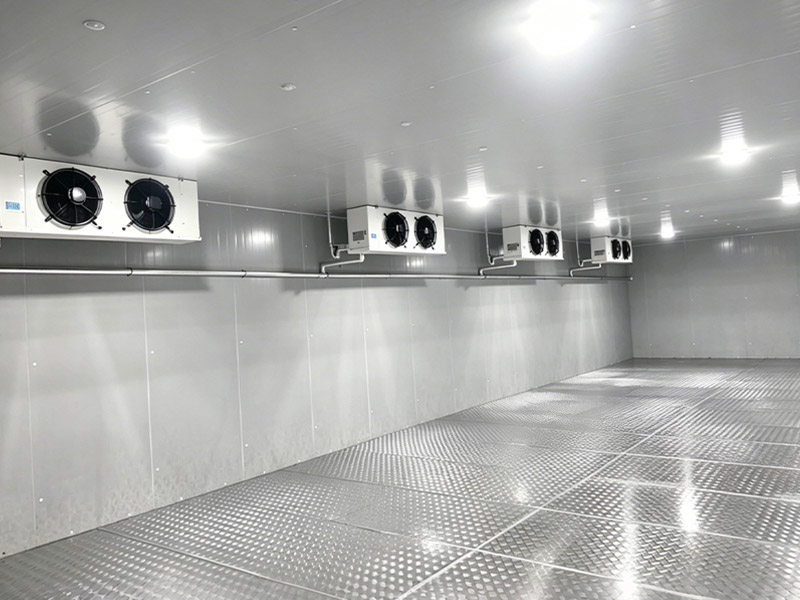
You have a few choices when it comes to cooling your cold storage room. The main types depend on the temperature you need. Positive temperature cold rooms (0°C to 18°C) work well for fruits, vegetables, and dairy. Negative temperature cold rooms (0°C to -28°C) are best for frozen foods and vaccines. If you need to freeze things quickly, deep freezing tunnels (-30°C to -40°C) and blast chillers get the job done fast.
You can also choose between passive and active cooling. Passive cooling uses natural airflow and insulation to keep things cool. It works for small spaces or mild climates. Active cooling uses machines like compressors and fans. This method gives you more control and works for bigger or more demanding storage needs.
Some of the best compressor brands for cold storage include:
Brand | Type | Distinguishing Features |
|---|---|---|
Bitzer | Semi-hermetic | Reliable and repairable, great for medium to large setups |
Copeland | Semi-hermetic | Efficient and reliable for many uses |
Danfoss | Screw | High efficiency, steady cooling for large facilities |
Frascold | Semi-hermetic | Many options for different cooling needs |
Carrier | Screw | Top performance in big storage spaces |
Installing Refrigeration Equipment
You want your cold storage room to work well from day one. Here’s a simple step-by-step guide:
Prepare the site and install underfloor heating. This keeps moisture away.
Build the steel framework. It supports the walls and cooling equipment.
Add insulated panels to seal the room and keep the cold in.
Pour the concrete slab for a strong, stable floor.
Install the refrigeration units and cold storage doors. Make sure air can move freely.
If you have a large or complex setup, it’s smart to hire a professional. For small rooms, you might handle some steps yourself, but always follow safety rules.
Temperature Monitoring
Keeping the right temperature is key. Modern systems use wireless sensors to track temperature and humidity all day. These systems send alerts if something goes wrong, so you can fix problems fast. They also keep digital records for inspections and help you follow food safety rules.
You should check and record the minimum and maximum temperatures at the start of each workday. If your system does not show these, write down the current temperature at least twice a day—once in the morning and once at the end of the day. This habit helps you catch issues early and keeps your products safe.
Assembly, Testing & Maintenance
Step-by-Step Assembly
Building your cold storage room takes careful steps. Here’s a handy checklist to keep you on track:
Double-check that vapor barriers connect tightly to prevent moisture problems.
Seal door frames well so warm air can’t sneak in.
Protect slab edges to stop heat from getting inside.
Make sure you have all permits and follow local codes for safety and food storage.
Document each stage with photos for your records.
Tip: Don’t rush the sealing process. Even a small gap can cause big headaches later!
Testing for Performance
Once you finish assembly, it’s time to test. Start by taking photos of your setup. This helps you prove everything is installed right. Next, run the cooling system and check if it holds the right temperature everywhere. Walk around and use a thermometer to spot any hot or cold spots. Test alarms and controls to make sure they work. After that, load the room with products and see if it keeps cool during busy times. Try a “worst-case” test by opening doors more often or adding extra items.
Maintenance Tips
Regular care keeps your cold storage room running smoothly. Here’s a quick table to guide you:
Task | How Often | What to Do |
|---|---|---|
Check temperature | Every shift | Log readings and look for problems |
Clean fans and coils | Weekly | Remove dust for better airflow |
Inspect insulation | Monthly | Look for damage or leaks |
Test alarms and sensors | Quarterly | Make sure safety systems work |
Deep clean and overhaul | Yearly | Hire a technician for a full checkup |
If you notice temperature swings, check for open doors, damaged panels, or thermostat issues. Keep the area clean and clear drains to avoid water buildup.
What to Store in Your Cold Storage Room
You can store many things, from food to scientific samples. Here’s a quick guide:
Type | Temperature Range | Examples |
|---|---|---|
Refrigerated | 2–8°C | Vaccines, dairy, fruits, vegetables |
Freezer | -15°C to -30°C | Meat, blood products, frozen foods |
Ultra-low temperature | -45°C to -86°C | Cell lines, viruses, gene libraries |
Note: Always label items and organize them for good airflow. This helps keep everything fresh and safe.
You now know how to build a cold storage room step by step. Start with a solid plan, pick the right materials, and install reliable cooling systems. If you use energy-efficient solutions like PERMAFROST by ICEMA GROUP, you get big benefits:
High-efficiency compressors can cut energy use by up to 30%.
Better insulation and vapor barriers keep cold air inside and save money.
Smart systems reduce energy costs during door operations.
Choose the method that fits your skills and budget. Keep checking temperatures and maintain your room for lasting performance.
FAQ
How cold can my storage room get?
You can set your cold storage room as low as -86°C if you use ultra-low temperature systems. Most rooms for food and medicine stay between 2°C and -30°C. Choose the right system for what you want to store.
Do I need professional help to build a cold storage room?
You can build a small cold storage room yourself if you follow safety rules. For bigger rooms or commercial projects, you should ask a professional. They help you meet codes and avoid mistakes.
What is the best insulation for cold storage rooms?
High-density polyurethane (PU) panels work best. They keep cold air inside and save energy. PERMAFROST panels from ICEMA GROUP offer strong insulation and eco-friendly materials.
How often should I check the temperature?
You should check the temperature at least twice a day. Use a digital sensor for easy tracking. This habit helps you spot problems early and keeps your items safe.
Can I store both food and medicine together?
You should not store food and medicine in the same room. Each needs different temperatures and safety rules. Keep them separate to protect quality and follow regulations.


