


What is the ideal temperature for a cold storage room
You must maintain precise climate settings to preserve product integrity across commercial supply chains. Standard chilling systems operate from 0°C to 4°C (32°F to 40°F), while standard freezer units run between -18°C to -25°C (0°F to -13°F). Specialized applications require tighter, ultra-low controls. For instance, pharmaceutical refrigeration demands 2°C to 8°C, whereas deep blast freezing relies on controls between -30°C to -45°C.
PERMAFROST Cold Room Storage Solutions by ICEMA GROUP helps you achieve these exact environment requirements. As an industry-leading manufacturer, PERMAFROST builds customized storage facilities spanning -55°C to 20°C. You can deploy an engineered cold storage room tailored to your exact operational needs.
Key Takeaways
Standard chilled foods require steady temperatures between 0°C and 4°C to stop bacterial growth.
Refrigerated medicines need exact temperatures between 2°C and 8°C to protect active ingredients.
Deep blast freezers use temperatures down to -45°C to preserve food texture and flavor.
Thick polyurethane wall panels block outside heat and reduce overall facility energy costs.
Ideal Temperature Ranges for a Cold Storage Room
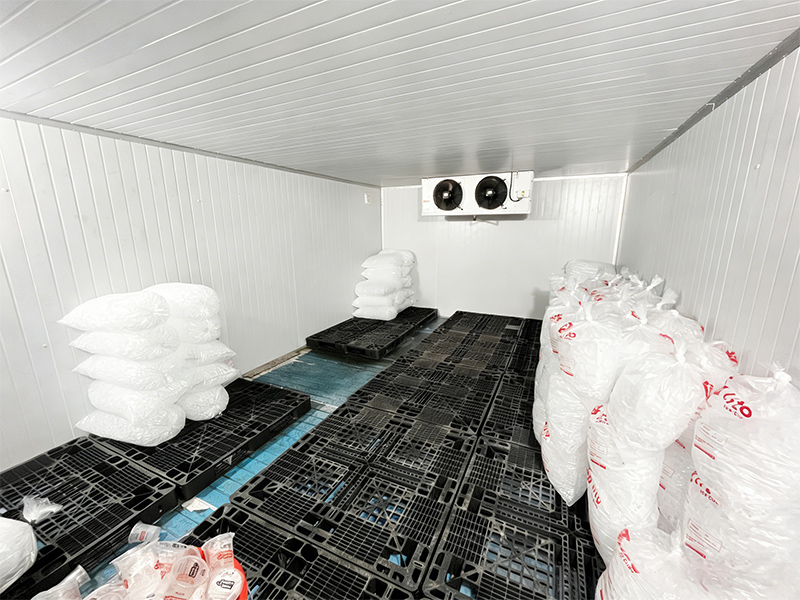
You must select the correct thermal setting to preserve inventory quality and protect human health in commercial operations. Every product category demands a specific climate condition inside your cold storage room facility. Precise temperature management prevents expensive product loss and ensures full regulatory compliance across global supply chains. Temperature requirements vary significantly based on whether you store fresh foods, sensitive agricultural produce, life-saving medical supplies, or deep-frozen seafood products.
Chilled and Medium-Temperature Storage
Chilled facilities prevent biological product decay while maintaining physical freshness. Standard commercial food walk-in cool rooms operate between 0°C to 4°C to keep inventory safely below 5°C. Fresh produce and root vegetables require careful monitoring within a 4°C to 8°C operational range. You must treat 8°C as the absolute maximum permitted ceiling because bacterial growth accelerates rapidly once ambient conditions exceed 5°C. Maintaining standard storage near 4°C offers the best practice to protect quality and extend shelf life.
Different crop categories need distinct thermal target levels to prevent physical degradation:
Leafy vegetables need cold conditions between 2°C and 4°C to maintain crispness and avoid wilting.
General fresh produce and root vegetables thrive best near 4°C under standard chilling controls.
Tropical fruits require warmer settings between 8°C and 12°C to avoid severe chilling damage.
Pharmaceutical products require even stricter climate boundaries than standard food storage facilities. You must hold refrigerated medicine continuously between 2°C and 8°C without uncontrolled temperature drift. Healthcare logistics workers follow the strict 'Strive for 5' operational standard by setting baseline target room temperatures at 5°C. Other specialized medical items require controlled room temperatures between 15°C and 25°C to preserve chemical stability and active ingredient efficacy.
Low-Temperature Freezing and Blast Freezing
Frozen inventory requires deep refrigeration settings to stop biological activity and bacterial action completely. Standard commercial freezer storage units hold frozen food inventory between -18°C and -25°C. Pharmaceutical frozen stock demands continuous climate control within tight bands from -25°C to -15°C or from -20°C to -16°C.
Deep-sea seafood processing uses specialized quick-freezing blast methods to protect delicate meat structure and preserve original flavor. General fish fillets, shrimp, squid, and shellfish require blast freezer air temperatures between -35°C and -45°C. This rapid freezing process allows seafood products to reach target core temperatures between -18°C and -25°C. Premium tuna products require ultra-low blast freezing temperatures from -50°C to -60°C or lower to achieve target core temperatures between -40°C and -60°C.
Storage category | Standard operating band |
|---|---|
Standard food cool room | 0°C to 4°C |
Pharma refrigerated | 2°C to 8°C |
Pharma controlled room temperature | 15°C to 25°C |
Standard freezer storage | -18°C to -25°C |
Pharma frozen inventory | -25°C to -15°C |
Seafood blast freezing air temperature | -35°C to -45°C |
Premium tuna blast core temperature | -40°C to -60°C |
You can customize your climate control parameters across all commercial and industrial storage applications. PERMAFROST Cold Room Storage Solutions deliver accurate climate environments spanning from -55°C to 20°C. These engineered commercial installations integrate top compressor machinery from trusted global brands like Bitzer, Copeland, Panasonic, and Emerson running eco-friendly refrigerants like R404A. Reliable compressor performance allows your cold storage room to maintain tight thermal stability, reduce operational stress, cut power costs, and eliminate unnecessary downtime across every single shift.
Risks of Cold Storage Room Temperature Deviations
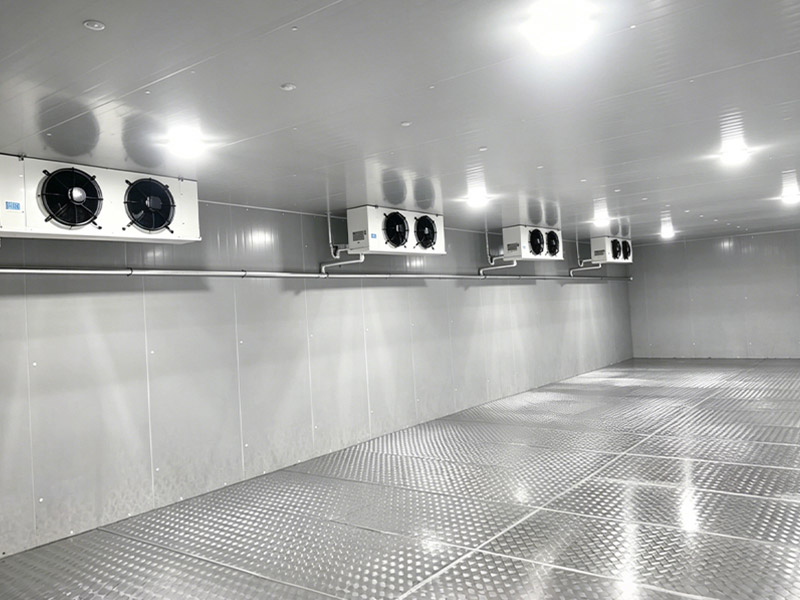
Microbial Proliferation and the Danger Zone
You risk rapid bacterial growth when temperatures drift inside your facility. Bacteria multiply fastest within the danger zone between 41°F to 135°F (5°C to 57°C). Warm ambient air accelerates pathogen reproduction and compromises food safety. Uncontrolled temperature spikes quickly push stored goods into this critical hazard zone.
Temperature breaches directly destroy regulatory compliance under FDA and HACCP guidelines. Manual record keeping creates documentation gaps during overnight shifts or holiday weekends. You face massive financial exposure during product failures. According to the Food Marketing Institute, temperature-related product recalls average about $10 million in direct costs.
Inadequate temperature monitoring creates unrecorded heat spikes and speeds up product spoilage.
Missing lot tracking data expands targeted recalls into costly full-scale recalls.
Incomplete FSMA logs lead to severe regulatory fines and immediate facility shutdowns.
Micro-Thawing and Quality Deterioration
Minor heat fluctuations cause physical destruction without completely thawing your product. Moisture moves from interior food cells toward outer surfaces during repeated warmth shifts. Small ice crystals melt and reform into larger ice structures through Ostwald ripening. These large ice crystals puncture internal cell walls and crush delicate muscle tissues.
Storage defect | Physical mechanism | Quality impact |
|---|---|---|
Drip loss | Cell wall rupture from growing ice crystals | Moisture drains upon thawing and leaves meat dry |
Texture hardening | Muscle fiber damage at unstable temperatures | Meats turn tough and lose natural tenderness |
Freezer burn | Surface moisture loss and oxygen exposure | Grayish-brown leathery spots and off odors appear |
You will notice severe sensory loss across high-value inventory. Unstable frozen beef develops high drip loss during thawing. Unstable lamb tenderloin suffers from fiber fracture and post-thaw hardening. Rancid fats build up when oxygen interacts with dry surface spots. Proper thermal stability in your cold storage room prevents these structural losses and protects your profit margins.
Maintaining Stability in Your Cold Storage Room
Thermal Envelope and Panel Insulation
You protect your stored inventory by building a strong thermal envelope. PERMAFROST high-density, CFC-free polyurethane sandwich panels insulate your facility against heat gain. Panel options range from 50mm to 200mm in thickness. Chillers operating between 0°C and 8°C use 50mm to 75mm panels. Standard freezers around -18°C to -25°C require 100mm panels. Deep-freeze rooms running from -35°C to -45°C rely on 150mm panels. Rigid polyurethane wall panels deliver a thermal conductivity of 0.022 to 0.025 W/m·K at a 10°C mean temperature. Low thermal conductivity keeps internal conditions stable.
Cam-lock systems join wall panels without creating structural gaps. An internal cam-and-pin mechanism pulls adjacent panels together under mechanical tension. Rubber gaskets compress evenly around the joint to create an airtight seal. Polyurethane cores extend across the panel joint to block heat flow. This precise connection eliminates thermal bridging and prevents cold air leakage. Reduced heat transfer cuts compressor runtime and lowers overall power consumption. A 100mm panel can use roughly 25% to 30% less energy than a 50mm panel under identical operational conditions.
Evaporator Airflow and Real-Time Monitoring
Daily operational management protects your cold climate stability. Smart door management limits warm air entry during loading cycles. Efficient evaporator fan systems drive air continuously throughout your space. Proper pallet spacing allows air to flow freely around all products. Unobstructed air circulation prevents dangerous hot spots from forming in room corners. Uniform airflow helps your equipment maintain steady environmental control during peak operational hours.
Automated real-time monitoring systems ensure continuous compliance across all shifts. Digital sensors log storage conditions around the clock. Automated data collection produces audit-ready compliance documentation for regulatory safety inspections. Centralized monitoring provides full visibility across multi-location operations. Instant alerts notify your team immediately when temperatures shift out of range. Fast warnings allow quick action before product spoilage occurs. Automated tracking saves valuable staff time and preserves product safety in your cold storage room.
You protect product quality by maintaining precise climate targets across your operations:
Standard Chilled: 0°C to 4°C
Refrigerated Medicines: 2°C to 8°C
Standard Freezer: -18°C to -25°C
Deep Blast Freezing: -35°C to -45°C
Engineered thermal insulation prevents heat leaks effectively. High-density insulated panels can cut facility electricity bills by roughly 30%. Strict door management protocols keep warm air outside. Automated sensors with ±0.5°C accuracy track conditions continuously to prevent critical breaches.
PERMAFROST Cold Room Storage Solutions provide flexible, highly customizable setups spanning -55°C to 20°C. You maintain exact regulatory compliance reliably inside your cold storage room at any operational scale.
FAQ
What is the safe temperature range for standard refrigerated goods?
You should maintain standard refrigerated goods between 0°C and 4°C. This setting prevents food spoilage and keeps bacterial growth low. Keeping fresh inventory inside this safe zone protects product quality and ensures full compliance with safety regulations.
Why must you keep pharmaceutical items between 2°C and 8°C?
You must store refrigerated medicines between 2°C and 8°C to preserve active ingredients. Uncontrolled heat shifts alter chemical formulas and ruin sensitive medical products. Sticking strictly to this target window guarantees full product efficacy and protects patients from compromised supplies.
What temperature do you need for deep blast freezing?
You need blast freezing air temperatures between -35°C and -45°C for general seafood products. This process freezes items quickly and prevents large ice crystals from forming. Rapid freezing preserves internal muscle structure, original flavor, and natural product quality.
How thick should your insulation panels be for a freezer room?
You should select 100mm thick polyurethane panels for standard freezers running between -18°C and -25°C. Thicker 150mm panels work best for deep-freeze rooms reaching -35°C. High-density panel insulation blocks external heat transfer and reduces total compressor runtimes.


