


How much tube ice machine in philippines
Setting up an ice production business in the Philippines requires clear financial planning. Desktop units cost between ₱3,399 and ₱31,990 for small food service needs. Standard commercial units start around ₱105,000. Industrial setups with 2-ton to 5-ton capacities range from ₱420,000 to ₱1,400,000 or more.
Your total capital expenditure depends on several key factors. Utility costs, complex installation requirements, and additional operational equipment directly affect your overall investment. Selecting a high-efficiency tube ice machine from ICEMA secures reliable production for your facility. ICEMA provides versatile equipment reaching up to 30 tons of daily output, continuously supporting your business as market demand expands.
Key Takeaways
Ice machine prices in the Philippines range from ₱3,399 for desktop models to ₱1,400,000 for industrial units.
Starting a full commercial ice plant requires around ₱2,000,000 in total capital.
Business owners can recover their full setup investment within 12 to 18 months.
ICEMA ice machines use food-grade stainless steel and cut floor space needs by 50 percent.
Tube Ice Machine Price Tiers in the Philippines
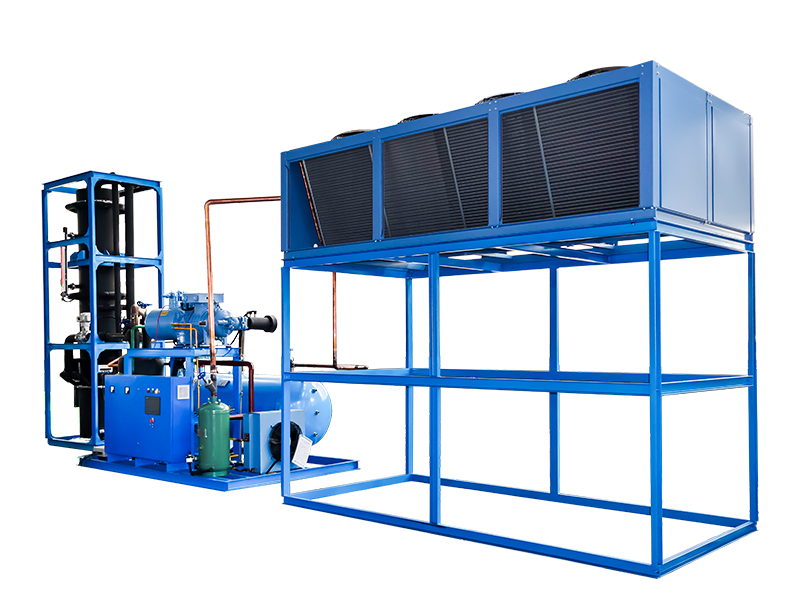
Understanding equipment pricing helps you select the right setup for your operational budget. Equipment costs in the Philippine market vary based on daily output capabilities, build quality, and structural dimensions. You can evaluate price categories across clear capacity thresholds to make a smart financial decision for your business.
Machine Category | Daily Production Capacity | Estimated Price Range (PHP) | Ideal Target Application |
|---|---|---|---|
Desktop Units | 10 kg to 25 kg | ₱3,399 – ₱31,990 | Home offices, small cafes, milk tea shops |
Standard Commercial Units | 100 kg to 500 kg | ₱105,000 – ₱115,000 | Restaurants, bars, convenience stores |
Medium-to-Large Industrial | 2,000 kg to 5,000 kg (2–5 tons) | ₱420,000 – ₱1,400,000 | Ice plants, fisheries, large food processors |
Desktop and Small Commercial Units
Small food service venues need dependable daily ice generation without taking up heavy floor space. Entry-level desktop ice makers cost between ₱3,399 and ₱31,990. These compact appliances fit directly onto countertops. Small cafes, milk tea shops, and residential kitchens frequently utilize these compact systems. They provide fast production cycles for low daily ice consumption needs.
As your daily customer traffic grows, standard commercial units offer a stronger operational step upward. These standalone machines start around ₱105,000 to ₱115,000. Restaurants, catering halls, and local convenience stores rely heavily on this gear. You gain higher storage bin capacity and continuous daily ice supply. These commercial models produce robust ice blocks or hollow tubes continuously throughout operational hours.
Industrial and High-Capacity Generators
Scaling your production for wholesale delivery or large industrial applications requires heavy-duty machinery. Medium-to-large industrial tube ice machine setups handle daily production volumes ranging from 2-ton to 5-ton capacities. Purchasing this level of heavy industrial machinery requires capital investment priced between ₱420,000 and ₱1,400,000. High-tonnage equipment features industrial compressors and large condenser structures built for constant operation in tropical climates.
You can lower long-term operating costs by selecting automated machinery built with durable materials. Higher investment tiers yield higher hourly output efficiency and lower power consumption per kilogram produced. Commercial ice plants and seafood exporters use these powerful systems to supply local markets daily. Your initial purchase choice shapes your total profitability and determines your business expansion capacity over time.
Essential Cost Factors Beyond Purchase Price
Calculating your total capital investment requires looking beyond the basic equipment purchase price. You must evaluate several critical expenditure factors that directly influence your initial setup expenses, daily operational costs, and overall long-term business margins.
Local vs Imported Equipment
You can source your ice production machinery from local Philippine fabricators or established foreign manufacturers. Local suppliers often provide lower upfront delivery fees and quick access to basic replacement components. These accessible local units can help small business owners launch commercial operations quickly with limited starting capital. However, locally fabricated machinery frequently lacks modern energy-saving refrigeration technology, precise automated controls, and standardized factory quality testing.
Imported machinery gives you direct access to advanced refrigeration engineering and fully automated control systems. Premier global manufacturers build heavy-duty machinery using food-grade 304 stainless steel across all water contact components to meet strict global hygiene standards. Investing in high-quality imported machinery lowers your unexpected breakdown risks significantly during peak production seasons. Superior factory manufacturing reduces your overall daily power consumption, increases hourly output reliability, and secures your long-term profitability.
Installation and Import Logistics
Import logistics introduce distinct financial costs to your comprehensive business budget. Shipping heavy industrial equipment into Philippine ports requires dedicated capital for ocean freight charges, port container handling fees, import duties, and local value-added taxes. You should partner with experienced customs brokers to clear your cargo smoothly through government regulatory agencies. Proper logistics planning prevents expensive port storage penalties, avoids administrative delays, and keeps your commercial setup schedule on track.
On-site facility preparation demands careful financial planning well before your heavy hardware arrives at your processing plant. Your factory facility requires dedicated three-phase electrical connections, heavy-duty floor drainage networks, and multi-stage water filtration units. You must hire certified refrigeration technicians to complete structural positioning, electrical wiring, refrigerant line piping, and system calibration. Proper professional installation protects your commercial tube ice machine investment, prevents premature component wear, and maintains maximum daily ice output.
Operational Costs and Business ROI
Launching a commercial ice enterprise in the Philippines demands careful financial planning beyond basic equipment purchases. You need a total startup capital requirement of around ₱2,000,000 to build a fully functional ice manufacturing plant. This starting investment covers your central tube ice machine, processing plant space preparation, three-phase industrial power installations, multi-stage water filtration hardware, commercial storage freezers, commercial delivery transport, and initial local business permits. Calculating your regular running expenses alongside expected market revenues helps you project your true return on investment accurately. Understanding these operational parameters ensures strong commercial viability.
Power Consumption and Utility Rates
Electrical utility power stands out as your largest recurring operational expense in the Philippines. Ice manufacturing systems run continuously during full production cycles, consuming substantial amounts of electrical energy to convert ambient water into solid frozen ice blocks continuously. Local commercial electricity rates remain consistently high across major utility districts nationwide. Choosing high-efficiency refrigeration technology directly protects your recurring operating margins by lowering the total electrical energy required per freezing cycle. Proper energy management minimizes your ongoing financial overhead significantly.
Water supply charges and filtration system maintenance form another primary recurring operational cost for your factory. You must deliver purified clean water continuously to satisfy government health regulations and global food safety standards. Philippine tap water supplies contain natural minerals, organic sediments, and dissolved solids that build up inside freezing evaporator tubes over time. Replacing intake filter cartridges routinely removes these harmful particles, preserves optimal freezing speeds, prevents internal corrosion, and ensures clear ice output consistently. This preventive maintenance safeguards total operational uptime.
Operational Expense Category | Recurring Frequency | Key Business Cost Drivers |
|---|---|---|
Electrical Utility Charges | Monthly Recurring Expense | Industrial kilowatt-hour consumption during continuous daily freezing runs |
Water Supply & Purification | Monthly Recurring Expense | Raw water utility fees and regular intake filter cartridge replacements |
Routine Plant Maintenance | Periodic Variable Cost | Refrigerant line checks, mechanical lubrication, and physical sanitization |
Revenue Expectations and Selling Rates
Selling commercial ice within the Philippine market yields stable, highly predictable daily profit streams. Local food markets, seafood distributors, milk tea shops, convenience outlets, and large catering businesses demand reliable bulk ice supplies daily. You can distribute your packaged product at the average Philippine ice retail or wholesale price of approximately ₱6 per kilogram. Operating efficient high-output systems gives you the capacity to supply large regional business buyers continuously.
Your daily profit margins rely on controlling recurring utility overhead while operating your production equipment near maximum design capacity. For example, producing and selling 10,000 kilograms of ice daily at the standard market rate of ₱6 per kilogram generates ₱60,000 in daily gross revenue. Subtracting your regular monthly electricity bills, water filtration maintenance costs, plastic packaging bags, and local logistics delivery expenses reveals your true net daily business income.
Sustaining continuous daily manufacturing speeds accelerates your capital return timelines substantially. Successful commercial plant owners in the Philippines typically recover their initial ₱2,000,000 setup investment within twelve to eighteen operational months. High consumer demand during warm dry tropical seasons increases daily sales volumes even further. Managing your utility overhead carefully transforms your processing facility into a strong, highly profitable long-term commercial enterprise.
Choosing an ICEMA Tube Ice Machine
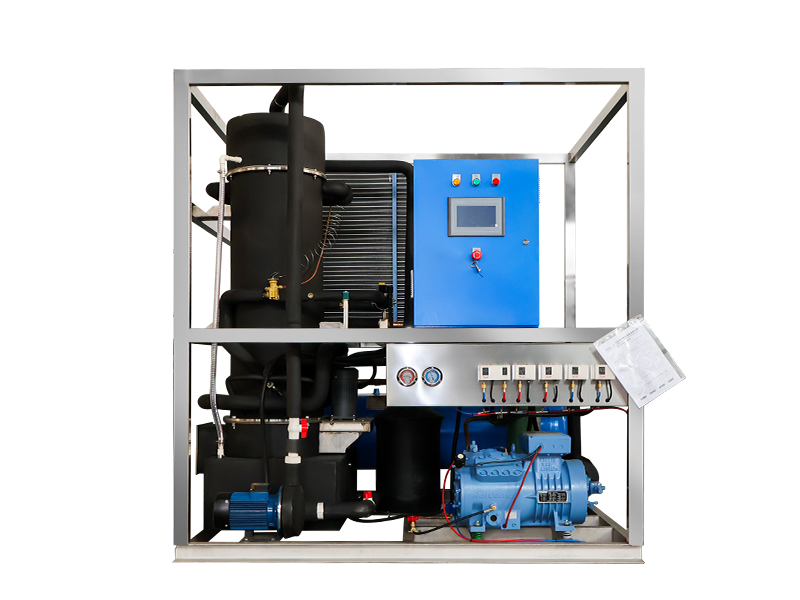
Food-Grade Stainless Steel and Automation
You can scale your commercial ice operations effectively with ICEMA Refrigeration. ICEMA stands out as a trusted global supplier. The company manufactures industrial systems delivering flexible capacities from 1-ton to 30-ton daily ice production. You receive food-grade 304 stainless steel construction across every internal component that touches water. This sanitary material satisfies strict international food safety standards. This hygienic construction prevents corrosion and keeps your ice pure for food preservation. The freezing mechanism produces clear, hollow, cylindrical ice tubes that melt slowly and evenly during delivery.
You can manage continuous freezing cycles easily without hiring extra factory technicians. ICEMA integrates smart automation to protect your hardware components continuously.
Smart Control Center | PLC touch-screen interface with visual operation monitoring, real-time warning diagnostics, automatic protection loops, and EU-standard electric wiring with integrated safety switches. The PLC control panel monitors operating parameters in real time. If a fault occurs (such as water shortages, phase errors, or high-pressure thresholds), the system triggers an audible/visual alarm and automatically shuts down protected loops to prevent component damage.
Space-Saving Design and Efficiency
Commercial plant space creates large recurring financial overhead for business owners in the Philippines. ICEMA builds compact, fully integrated refrigeration units to optimize your facility layout. These space-saving integrated designs reduce your physical equipment footprint by up to 50 percent compared to traditional split systems. You can position high-output hardware inside space-constrained processing facilities without structural expansion.
Your business lowers monthly power consumption through efficient refrigeration engineering. You can choose air-cooled or water-cooled condenser options based on your local facility setup. Selecting an ICEMA tube ice machine gives you direct access to competitive factory pricing, low operational failure rates, and simplified routine maintenance. These flexible systems deliver continuous output with minimal supervision, maximizing your profit margins every month.
Launching an ice enterprise in the Philippines requires clear financial planning. You can purchase desktop units from ₱3,399 to ₱31,990 or standard commercial models starting around ₱105,000. Heavy industrial systems with 2-ton to 5-ton capacities cost between ₱420,000 and ₱1,400,000. Establishing a full plant requires roughly ₱2,000,000 in starting capital. Selling ice at ₱6 per kilogram helps you recover your initial setup costs within 12 to 18 months.
Selecting an efficient ICEMA tube ice machine secures long-term commercial success. ICEMA supplies food-grade 304 stainless steel systems with full factory backing. Contact our team today to request a custom quote and local feasibility consultation.
FAQ
What is the starting price for a commercial tube ice machine in the Philippines?
Standard commercial units start around ₱105,000 to ₱115,000 for small food service needs. Industrial setups with 2-ton to 5-ton daily output capacity cost between ₱420,000 and ₱1,400,000.
How much capital do you need to start a tube ice business?
You need approximately ₱2,000,000 in starting capital. This budget covers your core tube ice machine, facility preparation, industrial power installation, water filtration hardware, storage freezers, local permits, and delivery transport.
How fast can you recover your investment in an ice enterprise?
Successful plant operators typically recover their initial ₱2,000,000 investment within 12 to 18 operational months. Selling daily ice production at the average market rate of ₱6 per kilogram drives reliable revenue streams.
Why should you select an ICEMA tube ice machine?
ICEMA delivers machines with daily production capacities from 1 ton up to 30 tons. You get hygienic 304 stainless steel construction, automated PLC controls, and energy-efficient designs that save up to 50 percent of floor space.


