


What the difference between flake ice machine and tube ice machine
Introduction
When businesses across food processing, seafood preservation, concrete cooling, and beverage production step into the industrial ice-making sector, they quickly face a core decision: choosing between a flake ice machine and a tube ice machine. Many procurement teams initially treat all industrial ice equipment as interchangeable, assuming any ice machine can deliver the cooling performance they need. This misunderstanding often leads to mismatched operations, unexpected energy waste, and even compromised product quality long after the equipment is installed.
A flake ice machine and a tube ice machine are built on entirely different heat-exchange principles, produce ice with distinct physical traits, and are optimized for nearly separate sets of use cases. The difference between a flake ice machine and a tube ice machine is not just in the shape of the ice they make—it extends to production efficiency, maintenance requirements, storage life, and the exact scenarios where each piece of equipment delivers maximum value. This guide breaks down every key aspect of a flake ice machine and a tube ice machine, helping you clarify which ice machine aligns best with your operational demands, budget, and long-term production goals.
What is a flake ice machine
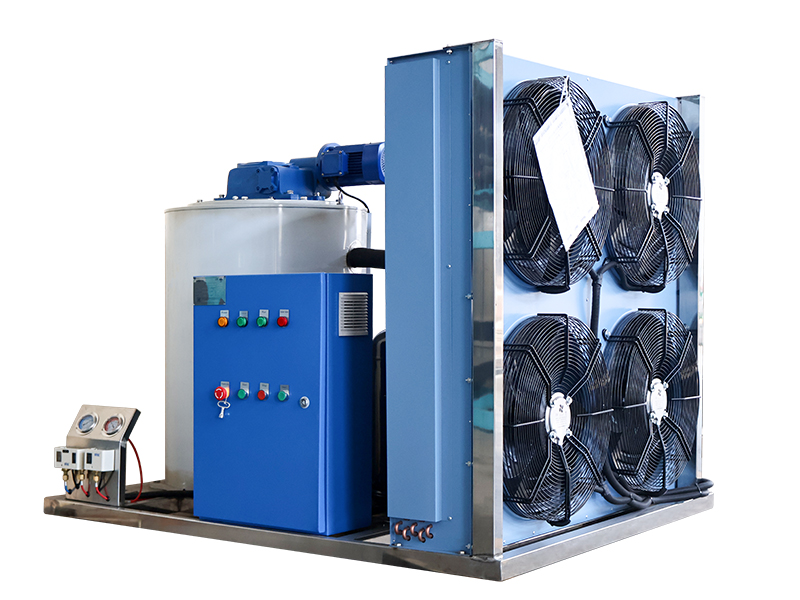
A flake ice machine is a specialized industrial ice-making system designed to produce thin, dry, flat ice flakes through a continuous, high-efficiency freezing process. The core structure of a typical flake ice machine includes a vertical refrigerated evaporator drum, a precision rotating ice scraper, a closed-loop refrigerant circulation system, a water supply unit, and an integrated ice storage bin. When a flake ice machine runs, clean water is evenly sprayed onto the inner or outer wall of the low-temperature evaporator drum, where it freezes almost instantly into a thin layer of ice. The rotating scraper, controlled by a stable gear motor, then shaves this frozen layer off into irregular, flake-shaped ice pieces, usually with a thickness ranging from 1.5mm to 2.2mm.
Every flake ice machine is engineered for continuous, non-stop ice production, with no pauses for ice harvesting or mold filling that are common in other ice-making systems. Most modern flake ice machine models are equipped with dynamic ice-making technology, which keeps the thickness error of finished ice flakes within 0.1mm, ensuring every batch of ice from the flake ice machine stays uniform in size and dry in texture. The energy-saving cycle system built into a standard flake ice machine uses environmentally friendly refrigerant, lifting the overall energy efficiency ratio by 15% compared to older generation ice-making equipment.
A standard flake ice machine can be configured in multiple capacities, from small 300kg-per-hour units for small seafood markets to large 50-ton-per-day flake ice machine systems for industrial processing plants. All flake ice machine models are designed to run reliably in high-humidity, low-temperature working environments, making them a staple choice for operations that require large volumes of ice at short notice.
What is a tube ice machine
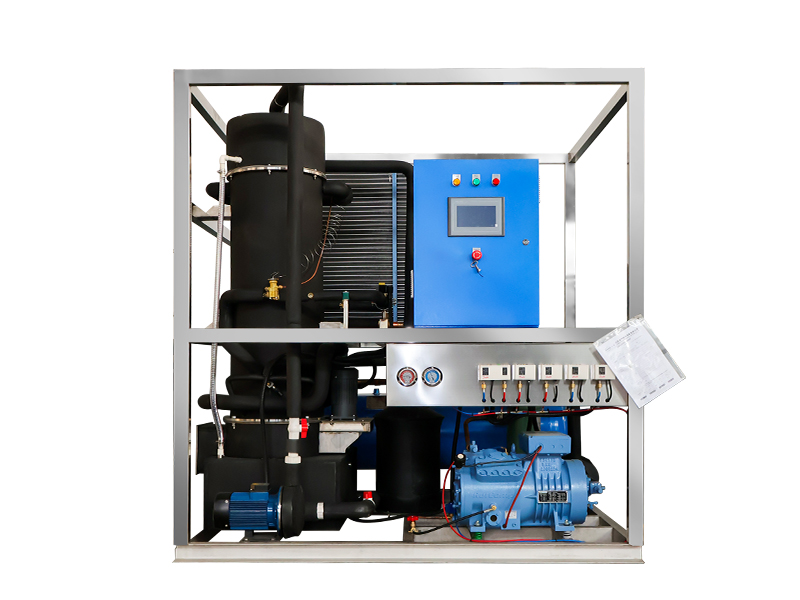
A tube ice machine is an industrial ice-making device that produces hollow, cylindrical ice tubes by freezing water along the inner walls of vertical refrigerated tubes. The main components of a standard tube ice machine include a vertical tubular evaporator, a high-precision temperature control system, a hot gas defrosting unit, a water circulation pipeline, and a fully enclosed ice storage compartment. When a tube ice machine starts its working cycle, water is pumped into the set of vertical refrigerated tubes, where the refrigerant flowing outside the tube walls gradually cools the water until it freezes into a solid ice layer along the inner wall, leaving a small hollow channel in the center.
After the ice layer reaches the preset thickness, the tube ice machine automatically stops the water supply and redirects hot refrigerant gas into the evaporator to slightly melt the outer surface of the ice tubes. This process loosens the ice from the tube walls, so the complete ice tubes can slide down smoothly into the cutting unit, where they are broken into uniform 25mm to 50mm long ice segments. Unlike the continuous production design of a flake ice machine, a tube ice machine works in independent cycles, with each full ice-making and harvesting cycle usually lasting 15 to 20 minutes.
Many modern tube ice machine models are fitted with intelligent temperature control modules, allowing operators to schedule ice production during off-peak electricity hours to cut operational costs by up to 20%. The entire ice production process inside a qualified tube ice machine is fully sealed, so the bacterial adhesion rate on the surface of finished ice stays below 0.5%, meeting strict food safety standards for direct contact with edible products. A typical tube ice machine can deliver ice with a long storage life, as the dense, solid structure of tube ice melts far slower than most other forms of industrial ice. Even a mid-sized tube ice machine can maintain a stable low-temperature environment for transported goods for up to 12 hours, a performance that is hard for many other ice machine types to match.
Key differences between flake ice machine and tube ice machine
Ice shape and physical characteristics
The most intuitive difference between a flake ice machine and a tube ice machine lies in the final form of the ice they produce. The ice from a flake ice machine is thin, flat, and irregular, with a completely dry surface and no free water between individual flakes. This unique shape gives ice from a flake ice machine an extremely large total surface area, allowing it to make full and direct contact with the items it needs to cool. The ice produced by a flake ice machine can easily wrap around irregularly shaped products such as whole seafood, fresh meat, or harvested vegetables, eliminating dead spaces where warm air could accumulate.
In contrast, the ice from a tube ice machine is a hard, hollow cylindrical segment, with a smooth, non-porous outer surface and a small hollow running through its center. The ice from a tube ice machine has a much higher structural density than flake ice, so it does not break easily during transportation, pouring, or long-term storage. While the total surface area of ice from a tube ice machine is smaller than that of ice from a flake ice machine, its solid structure means it retains cold energy for far longer, making it far less likely to turn into slush even after hours of exposure to normal ambient temperatures.
Production speed and cooling efficiency
When you compare a flake ice machine and a tube ice machine on cooling response speed, the flake ice machine takes a clear lead. The ultra-thin ice flakes from a flake ice machine can absorb heat far faster than any other form of industrial ice, bringing the temperature of target products down to the required range in just a few minutes. A full-capacity flake ice machine can start producing usable ice within 2 to 3 minutes after startup, and it delivers ice at a steady, uninterrupted flow without any waiting period for harvesting. This makes a flake ice machine the ideal choice for scenarios that demand rapid, large-scale cooling right after raw materials arrive on site.
A tube ice machine, on the other hand, has a longer initial ice formation cycle, as it needs enough time to freeze a thick, solid ice layer inside the tubular evaporator. The ice from a tube ice machine does not offer the instant, rapid cooling effect that ice from a flake ice machine provides, but it delivers far more consistent, long-lasting cooling performance over extended periods. For operations that do not need instant temperature drops but require stable low temperatures to be maintained for many hours, a tube ice machine often proves to be the more practical, cost-effective option.
Energy consumption and operational cost
The energy performance gap between a flake ice machine and a tube ice machine changes significantly depending on how you use the equipment. A standard flake ice machine has a relatively simple ice-making process, with no extra defrosting steps that consume large amounts of heat, so it achieves high energy efficiency when running at full continuous capacity. For operations that keep a flake ice machine running for 16 to 24 hours a day, the unit energy consumption per ton of ice stays at a very competitive level. The dynamic ice scraping system of a well-maintained flake ice machine also avoids the energy waste that comes from repeatedly freezing and thawing large volumes of water.
A modern tube ice machine, however, shines in scenarios where you can make full use of its intelligent scheduling functions. The ability of a tube ice machine to run ice production cycles during off-peak electricity hours lets businesses cut their total electricity expenses dramatically, even if the basic energy consumption per ton of ice is slightly higher than that of a flake ice machine. The ice from a tube ice machine also melts much slower, so you do not need to run the tube ice machine as often to replace melted ice, further reducing long-term energy consumption for cold chain transportation and outdoor storage scenarios.
Application scenarios and suitability
The design of a flake ice machine makes it perfectly tailored for rapid pre-cooling and direct mixing cooling tasks. Seafood processing plants, fresh shrimp pre-cooling lines, and large-scale vegetable packing workshops all rely heavily on a flake ice machine, because the ice from a flake ice machine can quickly bring down the core temperature of fresh products to slow down bacterial reproduction and lock in freshness. A flake ice machine is also widely used in concrete mixing projects, where the large surface area of flake ice helps control the temperature of concrete to prevent cracks during the curing process.
A tube ice machine, by contrast, is more suitable for long-duration cold chain transportation, beverage dispensing, and medium-to-long term ice storage. Seafood export fleets, long-distance fresh food delivery teams, and beverage factories that need clean, hard ice for drinks all prefer a tube ice machine, as the ice from a tube ice machine stays intact for hours without turning into water. A tube ice machine is also a top choice for businesses that need to store large volumes of ice for 24 to 48 hours in advance, since the dense structure of tube ice minimizes melting loss during storage.
Maintenance and service life
The structural differences between a flake ice machine and a tube ice machine also create very different maintenance requirements. A core working component of a flake ice machine is the rotating ice scraper, which comes into direct friction with the frozen ice layer every time the flake ice machine runs. This means operators need to check the sharpness and tightness of the scraper on a regular basis, and replace worn parts on schedule to keep the flake ice machine running smoothly. The evaporator drum of a properly maintained flake ice machine can usually stay in stable working condition for 8 to 10 years, with minimal performance degradation over time.
A standard tube ice machine has far fewer moving parts that come into contact with ice, so its daily maintenance work is much simpler and less frequent. The main regular tasks for a tube ice machine include cleaning the water circulation pipeline, checking the sealing performance of the hot gas valve, and clearing minor scale deposits from the inner walls of the refrigerated tubes. The overall service life of a high-quality tube ice machine can easily reach 10 to 12 years, making it a very reliable long-term investment for businesses that need consistent ice supply without frequent equipment checks.
Which one is better: flake ice machine or tube ice machine
There is no universal answer to whether a flake ice machine or a tube ice machine is better, because the performance of each ice machine can only be fairly evaluated against the specific operational context of the user. If your core priority is rapid cooling, large-area contact cooling, and continuous on-site ice supply for processing lines, a flake ice machine will almost always deliver better results than a tube ice machine. A flake ice machine can process fresh catch as soon as it arrives at the dock, quickly bring down the temperature of large batches of raw materials, and support uninterrupted production for 24-hour processing operations, making it an irreplaceable piece of equipment for seafood processing and concrete cooling projects.
If your main needs are long-duration cold preservation, low melting loss during transportation, and long-term ice storage, a tube ice machine will clearly outperform a flake ice machine in nearly every key indicator. The ice produced by a tube ice machine can stay in solid form for 12 hours or more in insulated containers, cutting the total amount of ice you need to prepare for each shipment by a large margin. A tube ice machine also produces ice that looks cleaner and more regular, making it more suitable for direct use in beverage service, food display, and scenarios where ice will be seen or handled directly by end customers.
For many growing businesses, the optimal solution is not to choose only one flake ice machine or only one tube ice machine, but to deploy both a flake ice machine and a tube ice machine according to different production links. Use the flake ice machine to handle the rapid pre-cooling step right after raw materials are received, then use the tube ice machine to provide slow-melting ice for subsequent packaging, storage, and long-distance transportation. This combination of a flake ice machine and a tube ice machine lets you take advantage of the strengths of both systems, covering every cooling demand in your entire operation without compromise.
Conclusion
The difference between a flake ice machine and a tube ice machine is far more than a simple difference in ice shape. A flake ice machine is built for speed, large cooling contact area, and continuous non-stop production, making it the best choice for operations that need to cool large volumes of products quickly. A tube ice machine is designed for long cold retention, low melting loss, and easy long-term storage, perfectly matching the needs of cold chain transportation, beverage production, and scenarios that require ice to stay solid for many hours.
Neither a flake ice machine nor a tube ice machine can be called universally "better" than the other, because each ice machine is optimized for its own unique set of use cases. The right choice between a flake ice machine and a tube ice machine depends entirely on your actual production rhythm, cooling priorities, budget, and long-term operational plans. By clearly understanding the traits, advantages, and suitable scenarios of both a flake ice machine and a tube ice machine, you can select the ice-making system that maximizes your operational efficiency, cuts unnecessary energy waste, and delivers the exact cooling performance your business needs to stay competitive.


